
Southern Halmahera - one of Indonesia’s last hidden gems
Halmahera, a name I have heard many times, but actually I only knew very few people that have actually been there before. After talking to a few more people and meeting Lisa, the GM of Salibay Eco Resort, during the Salon de la Plongee in Paris, I decided to book a trip there, as it is “pretty close” to the area I am currently living.
Prior to going I didn’t know much about the area or even how to access it, and I preffered to go with the flow and inform myself more once I reached the spot, specially regarding the diving. Once my bags were packed, I jumped in the plane , and arrived in one of the most beautiful places I have ever been, above and under water: lush green forrests offering refuge to big Hornbills and small parrots, beautiful prestine sand beaches, tiny traditional village in little bays and a stunning underwater seascape.
Here is a video from a famous youtuber, Sam aka (@IndoWild), that has an amazing channel that relates his aventures in some of the most remote places in Indonesia. In the video he is diving the Sali Islands from minute 12:47, but the whole video is worth a watch!
Halmahera is one the largest island in the Maluku Islands, located in the north of Moluccan Sea. Home to a little les than a million and a half people and dense forrest and active volcanoes, the religion in the area is divided between Muslims (roughly 75%) and Protestants.
Despite being remote, Halmahera is also home to big mining projects: Chinese and Indonesians work hand in hand to extract precious metals such as nickel from the land. Luckily, it is only confined to one of the part of the island, quite far from the nicer diving areas. On the bright side, this insures that the flights between Jakarta and Manado with Ternate, the most populated island in the area, are constant and that reaching the area is easier.
How to Arrive to Sali Bay
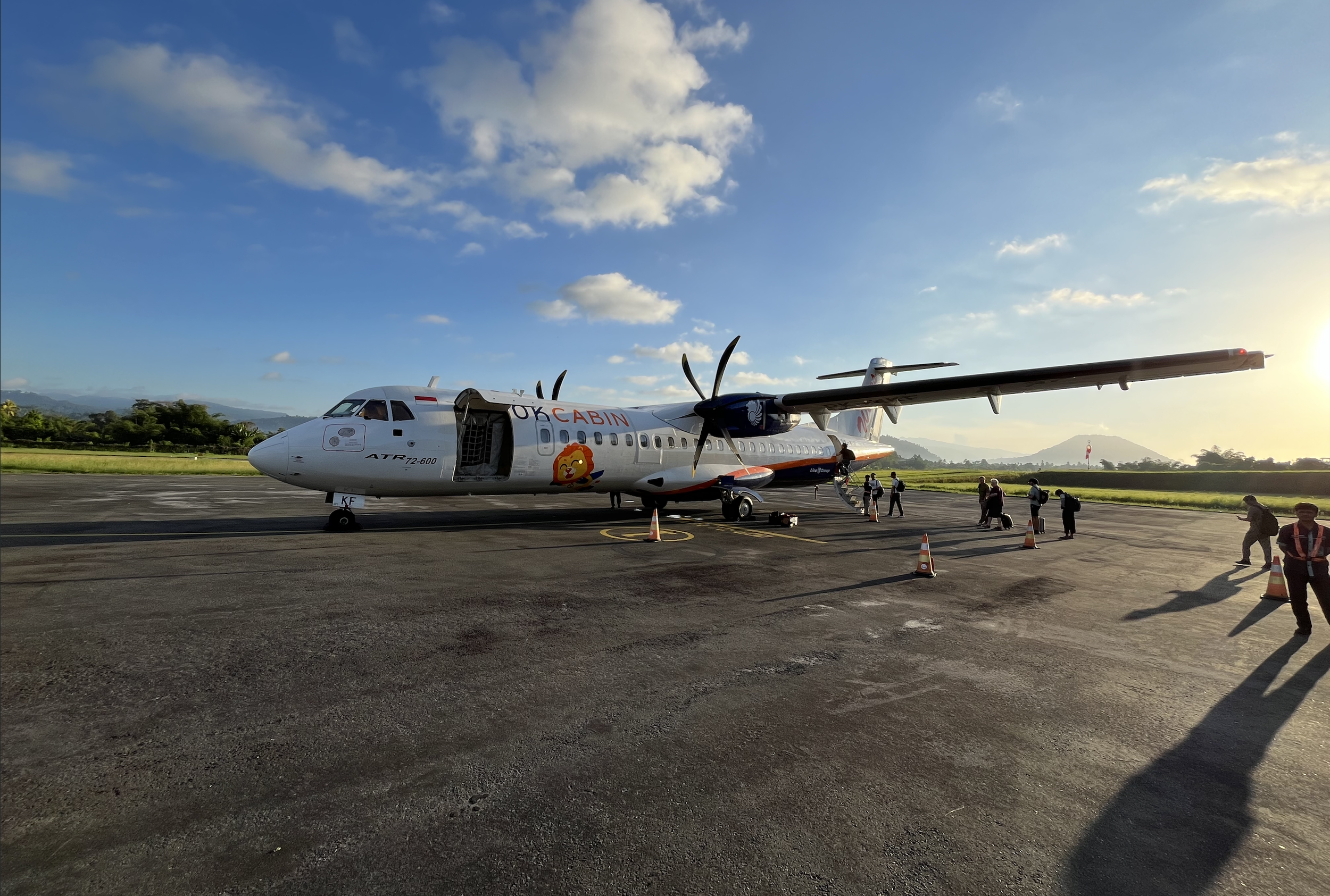
Labuha Oesman Sadik Airport, located in Bacan Island’s capital. The only company flying there is Wings Air, operated by the Lion Air group.
There are 2 ways to reach this area: plane or ferry. The first way is a lot faster and obviously more pricey: Labuha airport, located on Bacan Island, is tiny airport, that only has capacity for one plane at a time. You can only flight there through Ternate, the capital of Halmahera located in the north, and to reach Ternate you can only fly from Manado or Jakarta.
I flew in from Manado, as I am currently living in Lembeh. The flight was easy and straight forward: sometimes you might find several options to fly there, but as it happens often in Indonesia flights get cancel and your safest bet is to fly on the midday flight, which is garanted to fly. The flight from Manado is about 3hrs. Despite the flight stopping in Ternate, to refuel and pick up/drop off passengers (the stop is around 1h), you do not need to leave the airplane and you just need to wait.
Once you landed in Labuha, the car ride to the pier is about 30min and the boat ride about 45min.
My recommendation for this trip is that if you are not coming from within Indonesia, maybe to spend 1 night in Manado or Jakarta prior, or combine it with a short trip in North Sulawesi (Bunaken/Lembeh, 4-5 days), so you are ready to enjoy Halmahera to the fullest and get some good dives in already. If you want to save some money and go by ferry, there is a local ferry from Bitung, but it is long and not very confortable.
About the resort
One the beach bungalow I got to stay in, with a beautiful view on the House Reef.
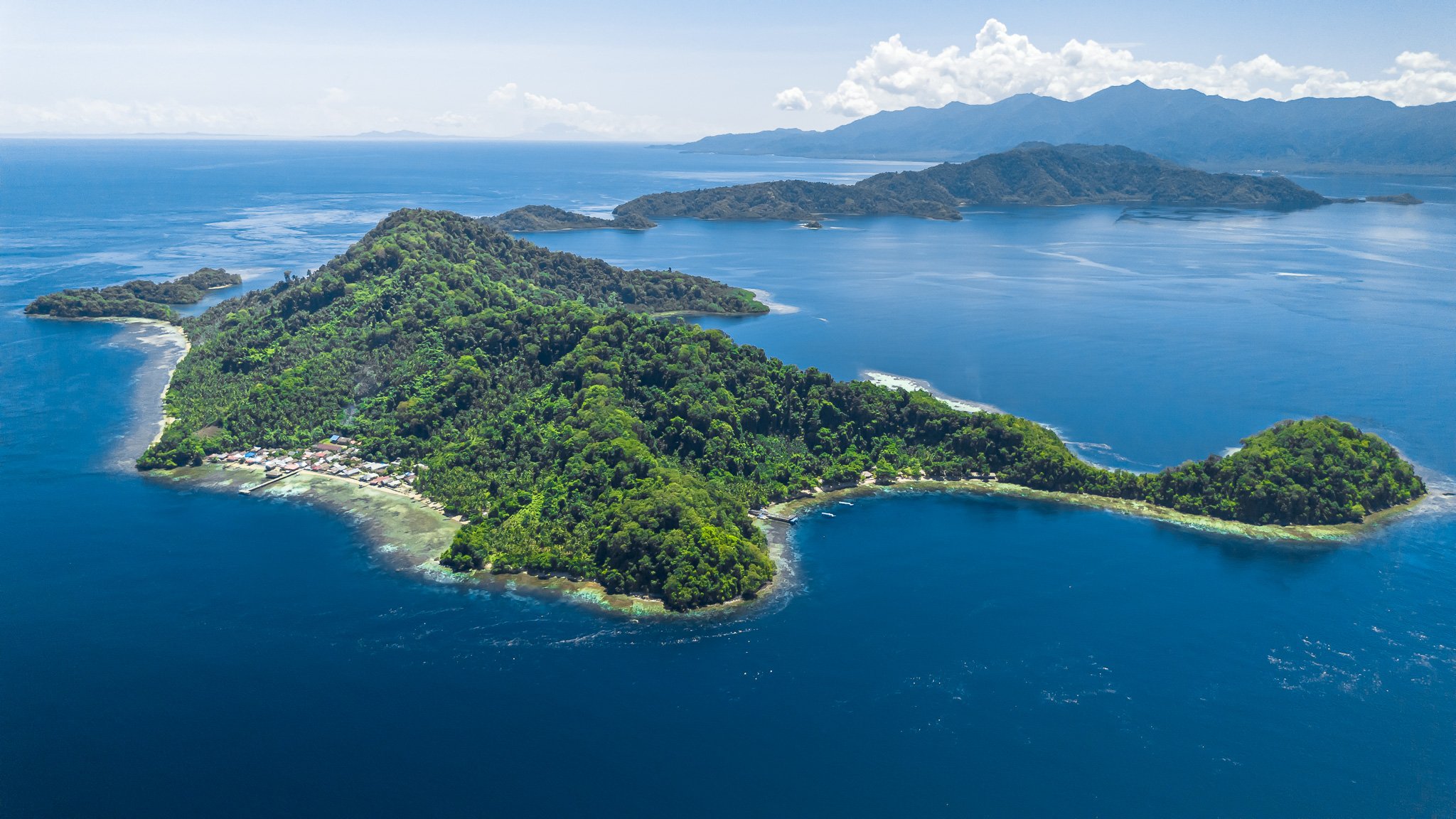
I stayed at the Sali Bay Eco Resort, located on Sali Kecil in the middle of Patinti Strait. The location is more than ideal for scubadivers: there are 70+ dive sites in the area, and still many more to explore and discover. There is only one little village on the island which really makes the island pretty remote.
I got to stay in one of their beach villas, which were very nice and very spacious (66m2): the view from the villa onto the ocean was stunning, specially when the sun came out. The resort has 12 Front Beach Villas, which are all pretty similar: they are separated from each other which allows you to have some nice privacy, even when the resort is busy. The bathroom was spacious and the front deck was perfect for relaxing. Apart from the beach villas, there were also a bit more basic rooms located at the end of the beach, the Diver’s Lodge, which were 4 rooms in one larger building, which are perfect for groups/families coming together.
Food-wise, I definetly did not go hungry! I personally really enjoyed the Indonesian dishes, and the restaurant reallt accomodated me as I am a vegetarian. Despite the food being really tasty, the highlight was their focaccia bread, which was absolutely delicious! I know people don’t come to Indonesia for bread, but as I live here, I know how hard it is to find “real bread” here, so it was a very pleasant surprise.
There is a spa and swimming pool on the beach side, but unfortunately I didn’t spend too much time there as I was most of my time on the boat enjoying the fantastic diving.
You can find more pictures and information about the resort and its website: https://www.salibayresort.com/
Diving the Bacan Islands
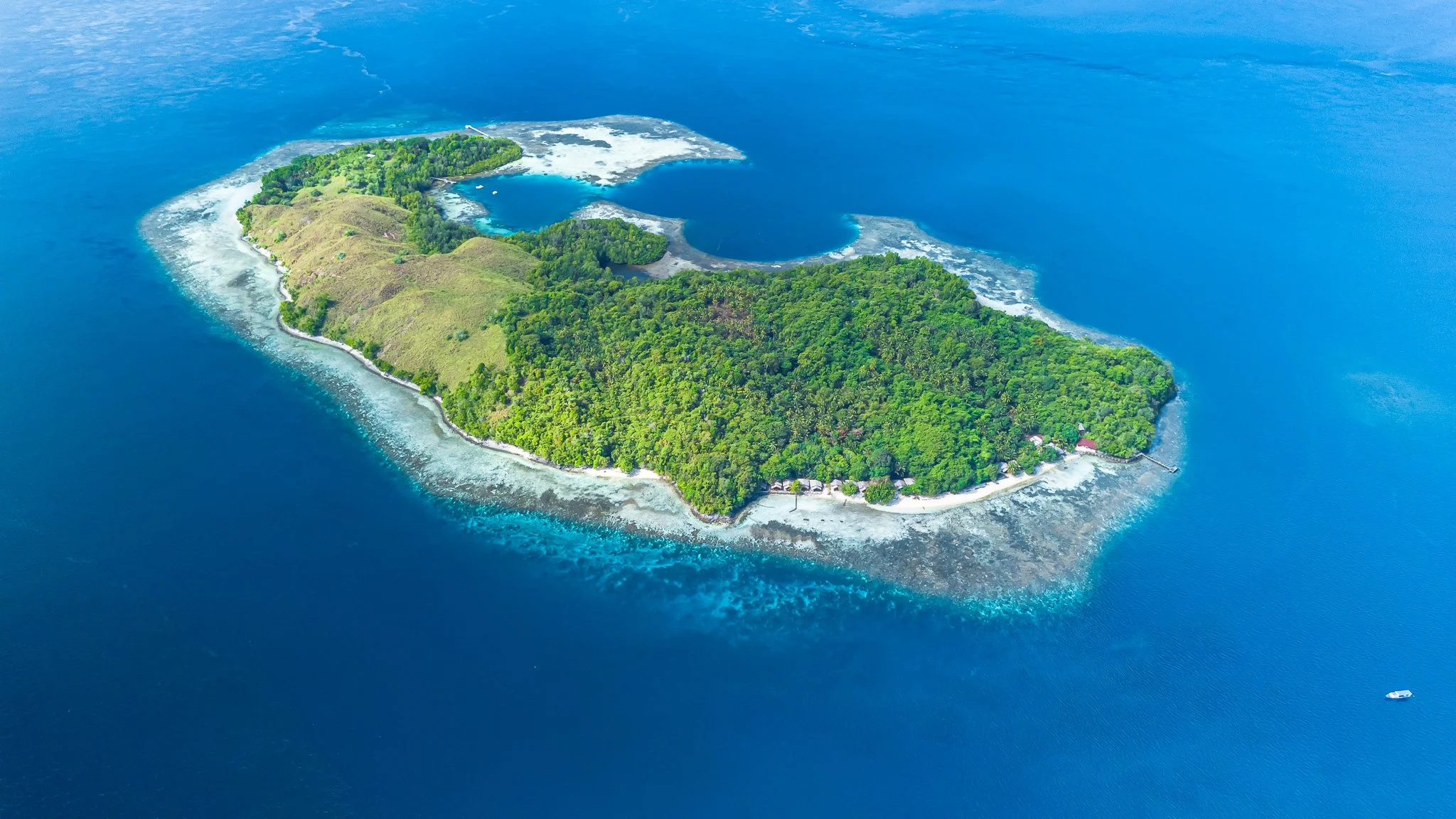
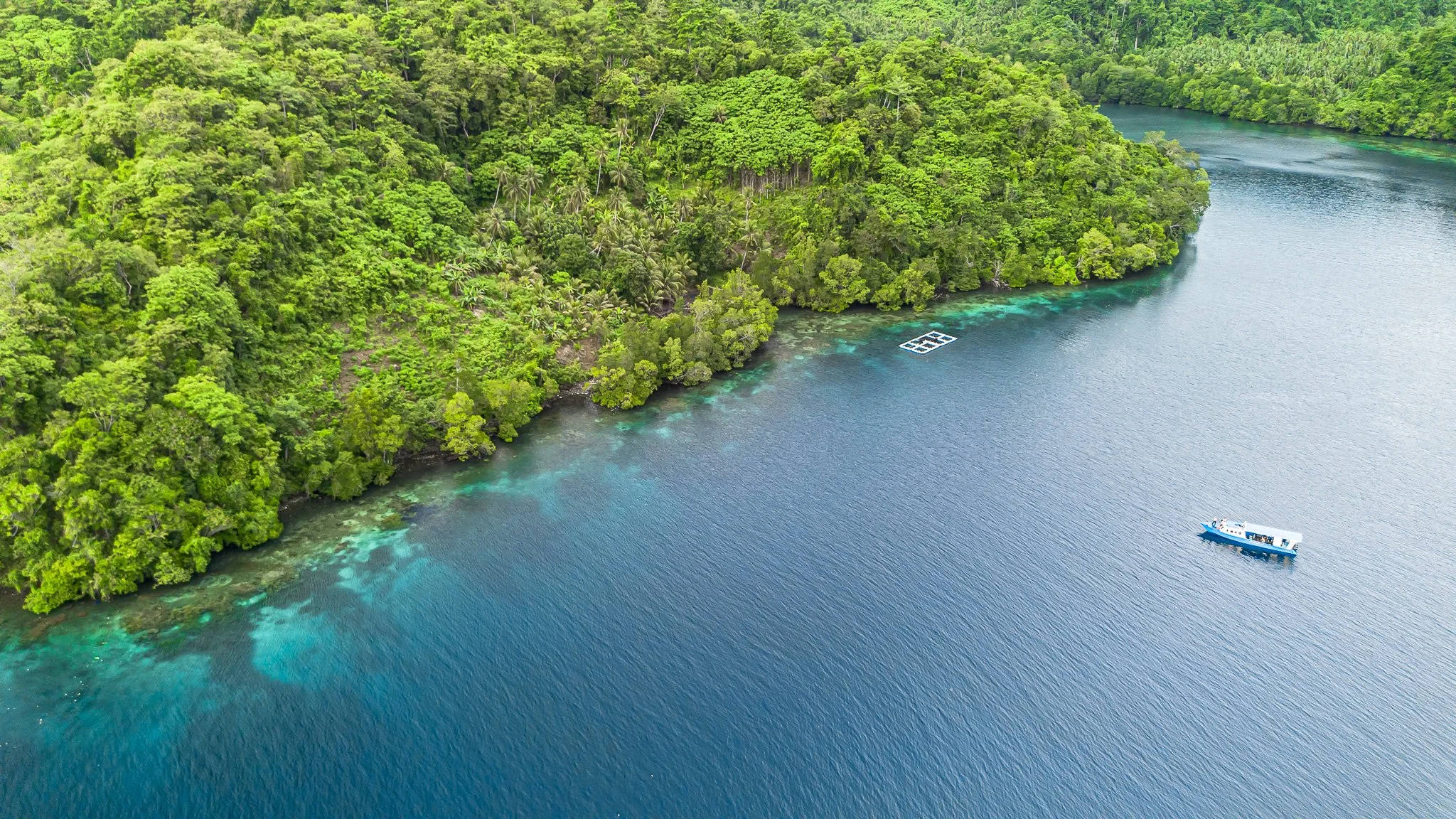
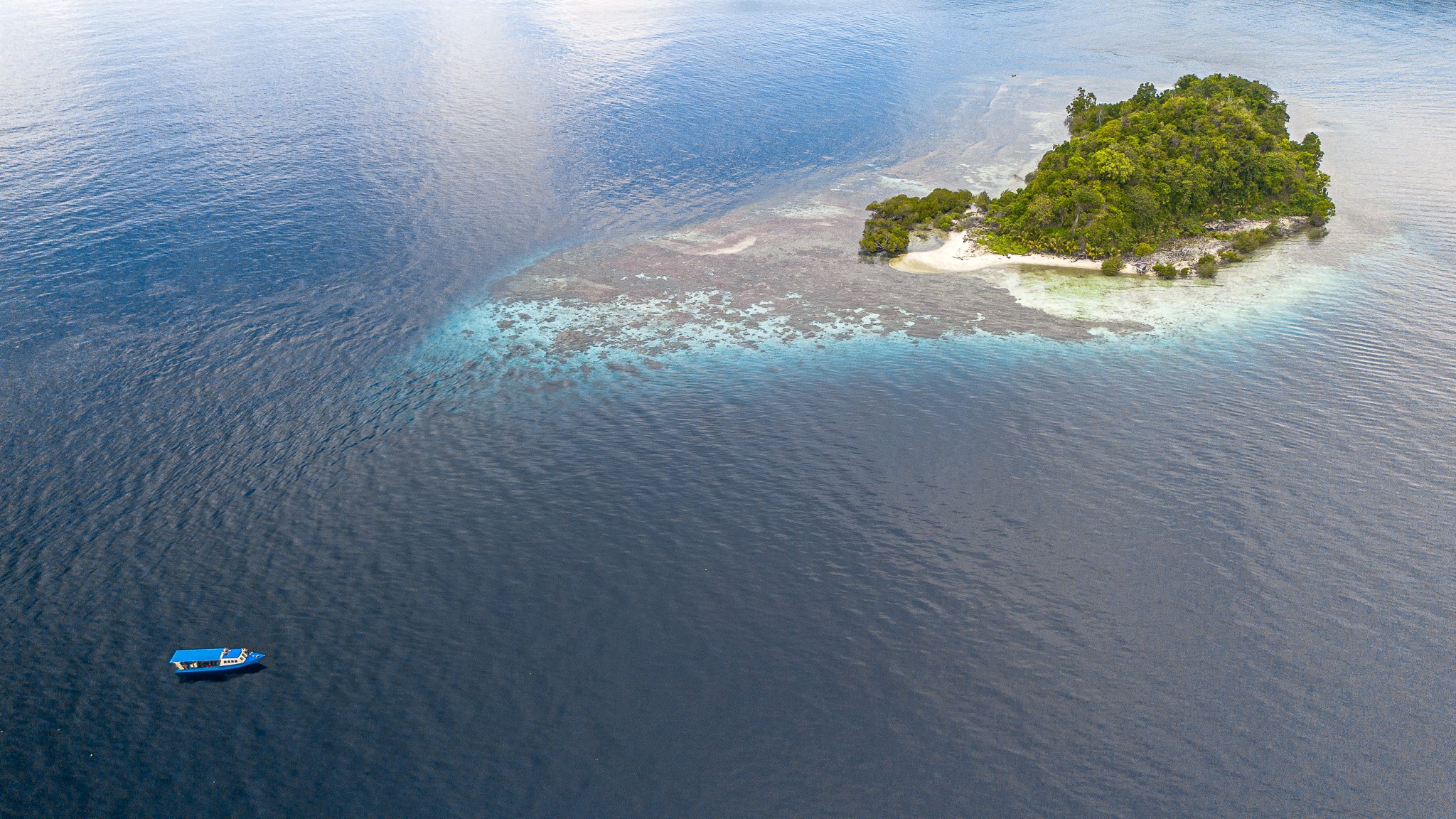
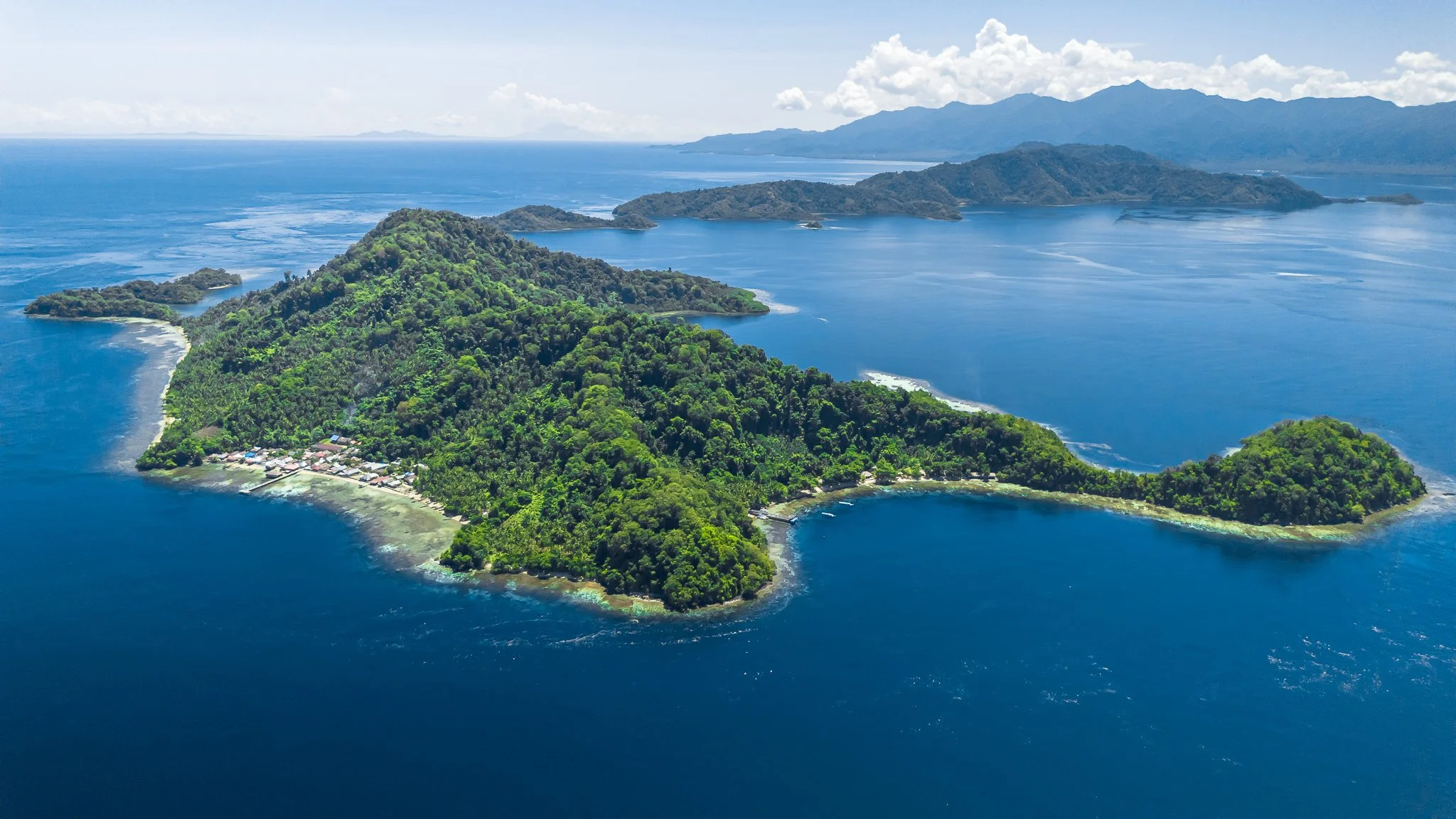
The Bacan Islands are composed by a series of small island in the middle of the Pantinti Strait, making kind of a chain in the narrowest part between Halmahera and Bacan. 4 main islands can be found there: from North to South you have Sali Besar (the largest one by far), Proco, Sali Kecil (where the resort was based) and Kusu Island. There are also some larger rocks/smaller islands in the Strait, but none of them are inhabited.
Only 2 other resorts are in the area (on Proco and Kusu) , and because the area is very large, most of the time, you won’t see any divers or dive boat at all. This is definetly one of the main attractions of the area, as the diving is still very new and virgin dive sites are still being discovered. Another way of visiting the area is by liveaboard: some operators offer trips between Sorong and Ternate, and also sometimes between Sorong and Bitung, and you will get to dive Halmahera on the way.
Due to its geolocation, the Pantinti Strait can be home to VERY strong currents: we would see whirpools and foam forming on the surface in certain locations, even on the house reef sometimes. I used to work in the Maldives, and did many strong current dives, but this was something else, a bit more Komodo style, with down/up currents. The dive guides at Salibay were really knowledgeable, and really knew the places to make sure that we dived safely and enjoyed our dives, which was a great relief as I was carrying a bit larger camera setup. They also went throught great lens to make sure that we saw most of the Strait with exploring different areas every day.
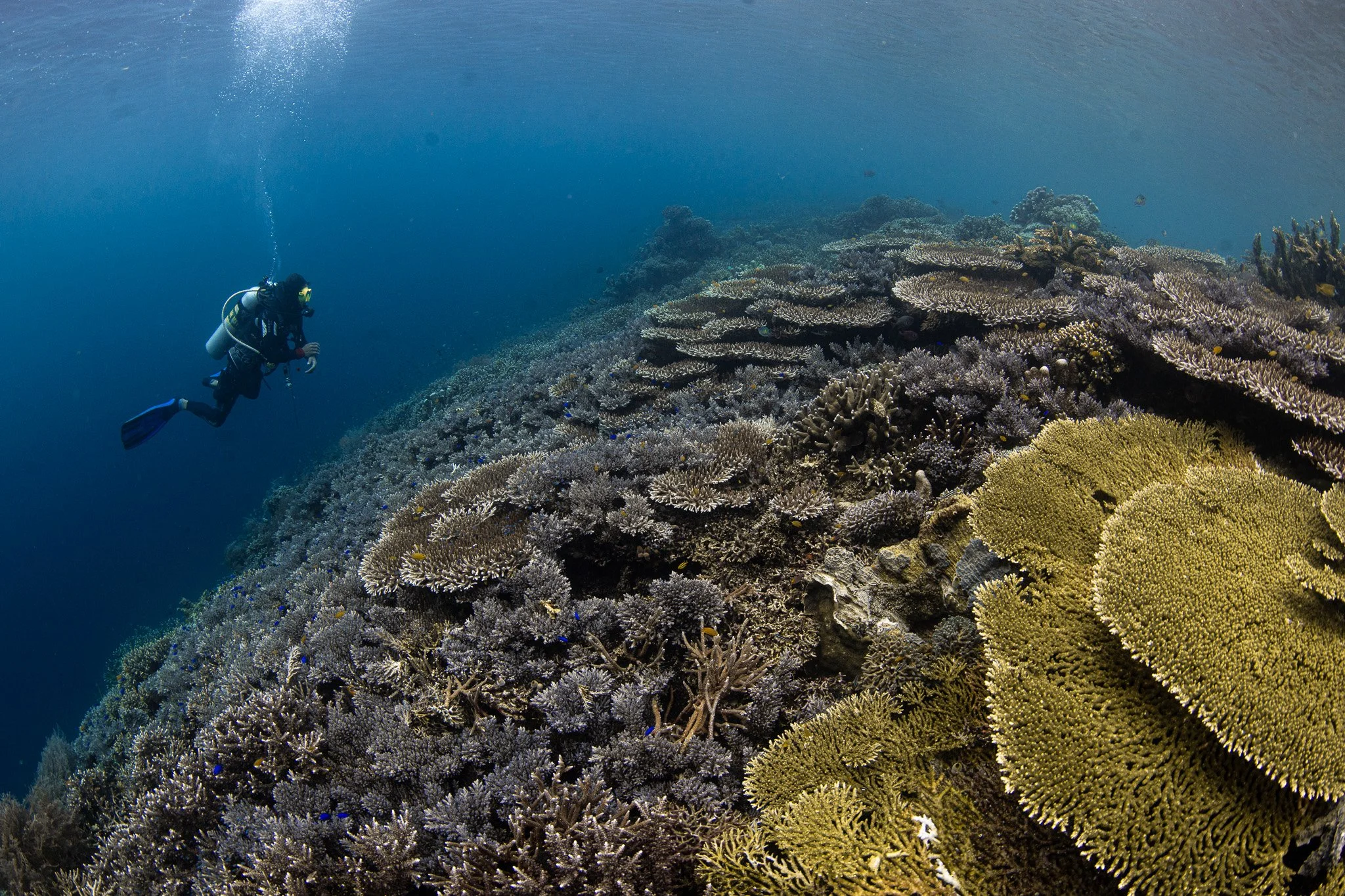
Most of the sites we did had a similar topography, with different points of interests on each, which kept the diving interesting: most of them were reefs slopes with some white sand stripes in the middle, starting a meter or two below the surface with very healthy corals and slopping down to 25m-30m. We also did a couple of muck dives, more like Tulamben/Lembeh style which were full of life and cool critters.
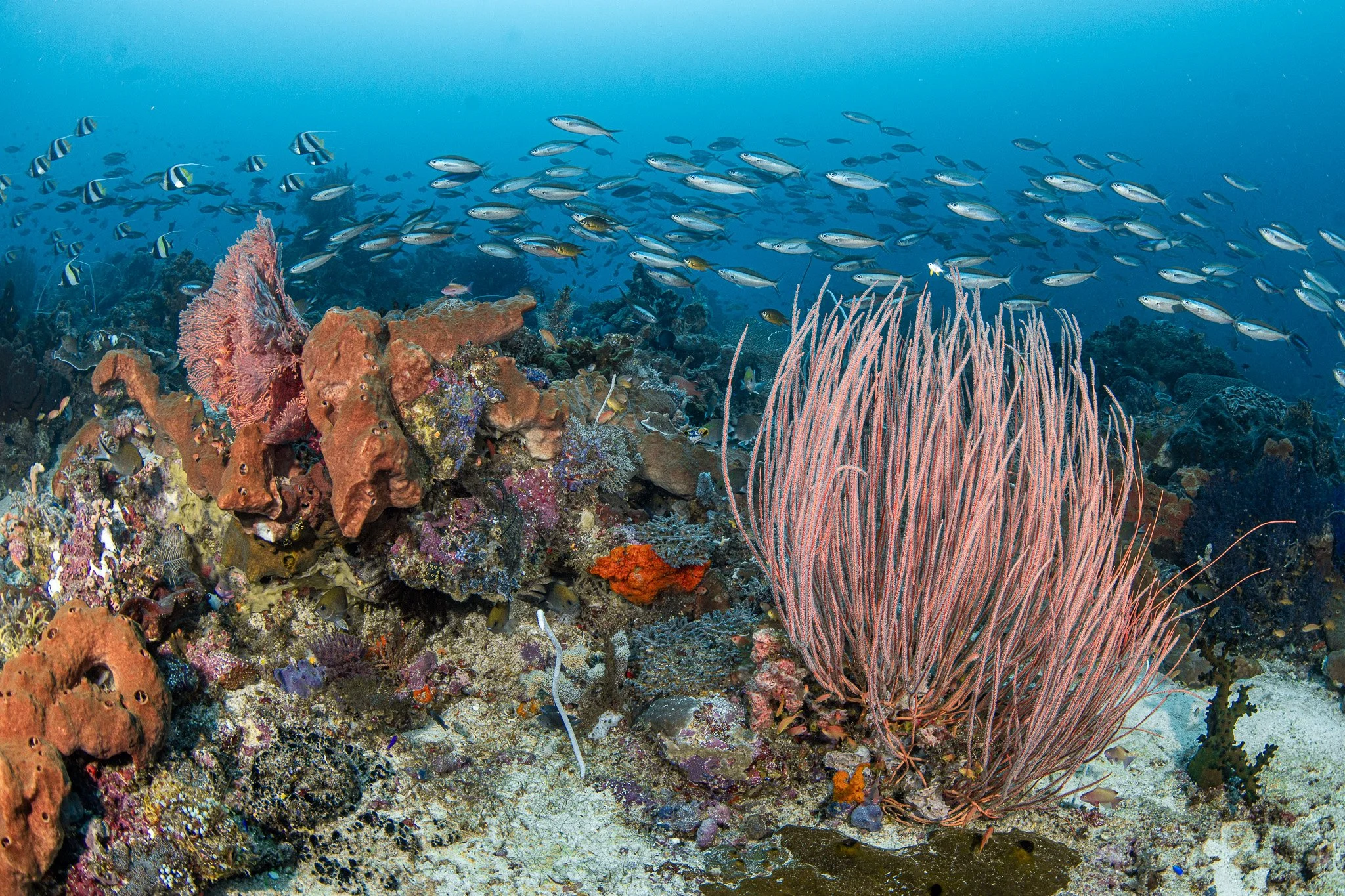
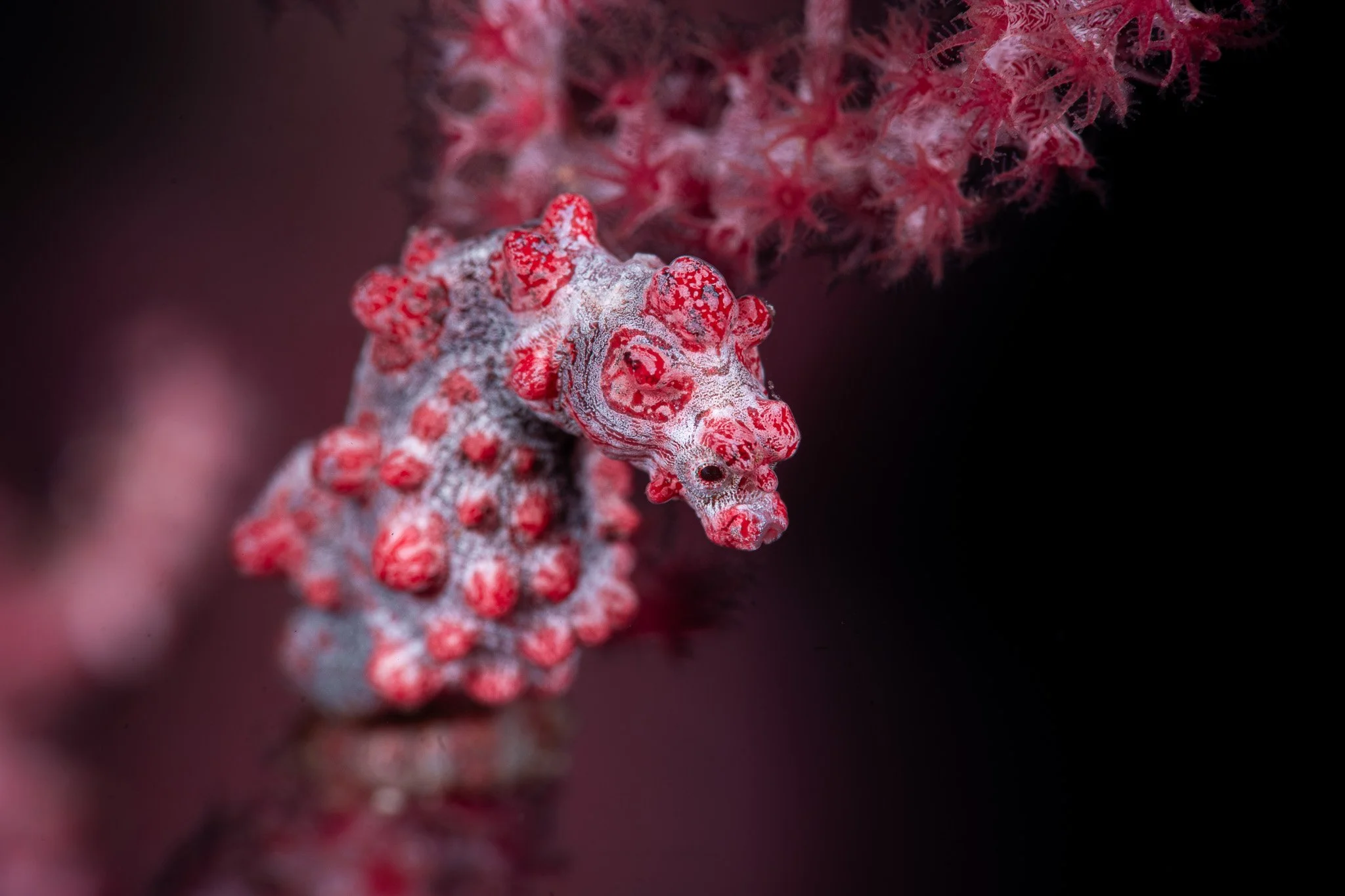
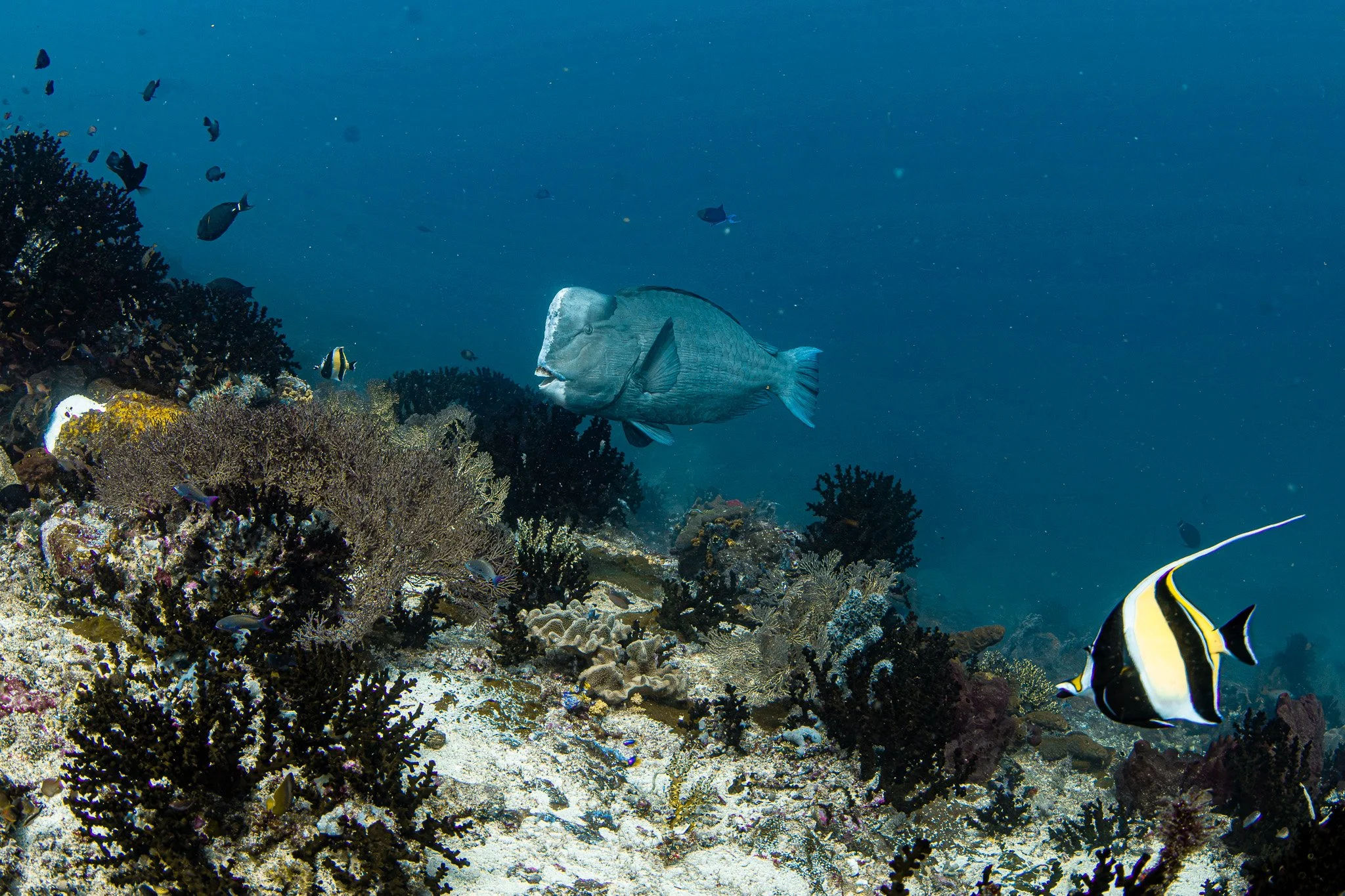
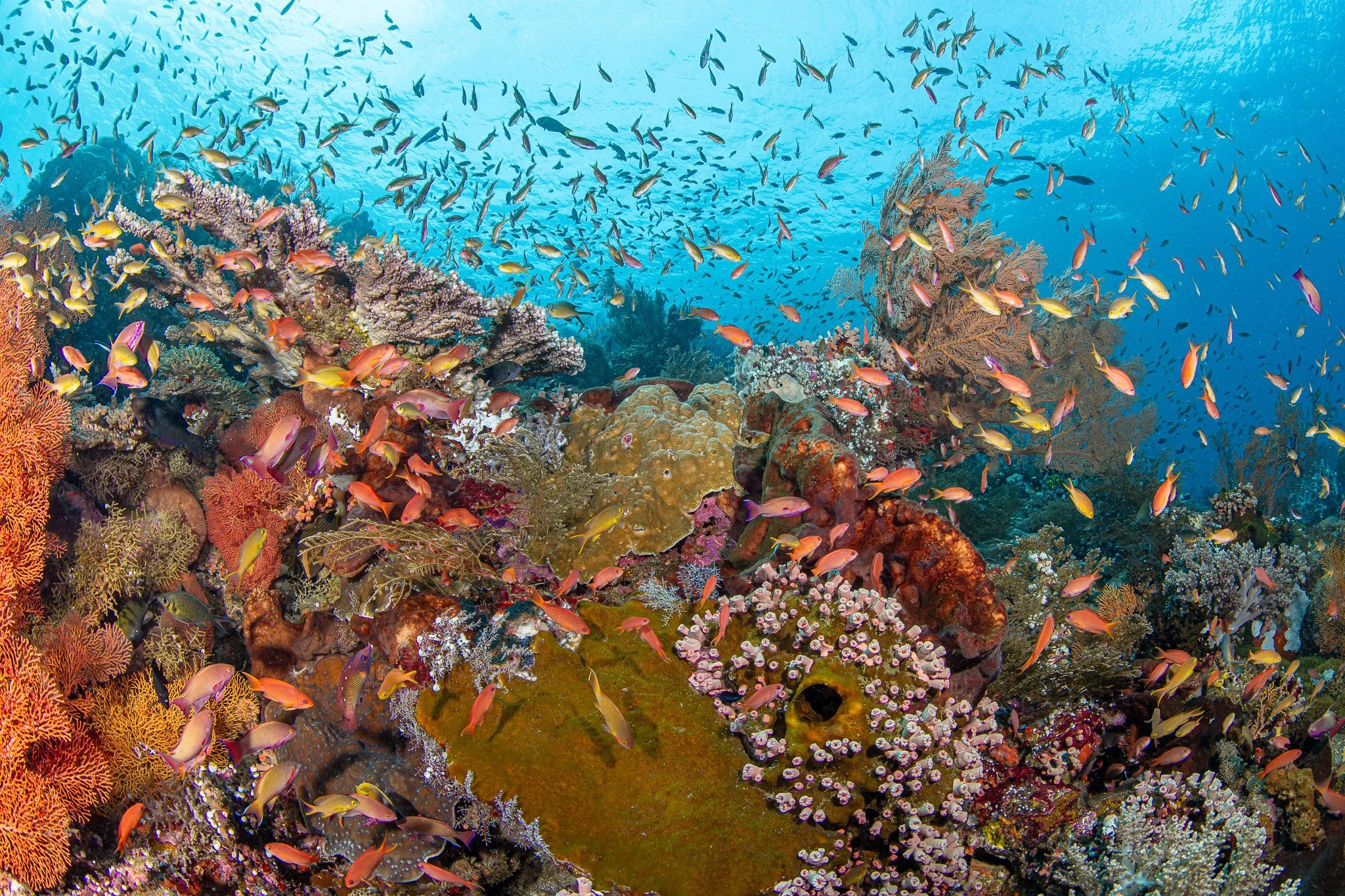
Definetly one of my personal highlights was dive site called Tobias, a pinnacle located at the nothernmost point of Sali Besar, really close to Halmahera: the fish life there was INSANE, thousands of anthias and damselfish in the shallow part of the reef and very large coral fans and soft corals made the dive site very colorful and vibrant. Several Blacktips were roaming around, a school of Pickhandle Barracuda lurking deeper and some chubby Bumphead Parrotfish made an appearance. On top of that several fans had Bargibanti Pigmy Seahorses and we also found some Pontohi Pigmy Seahorse, almost making me regret not taking my macro lens!
Stunning Coral Reefs
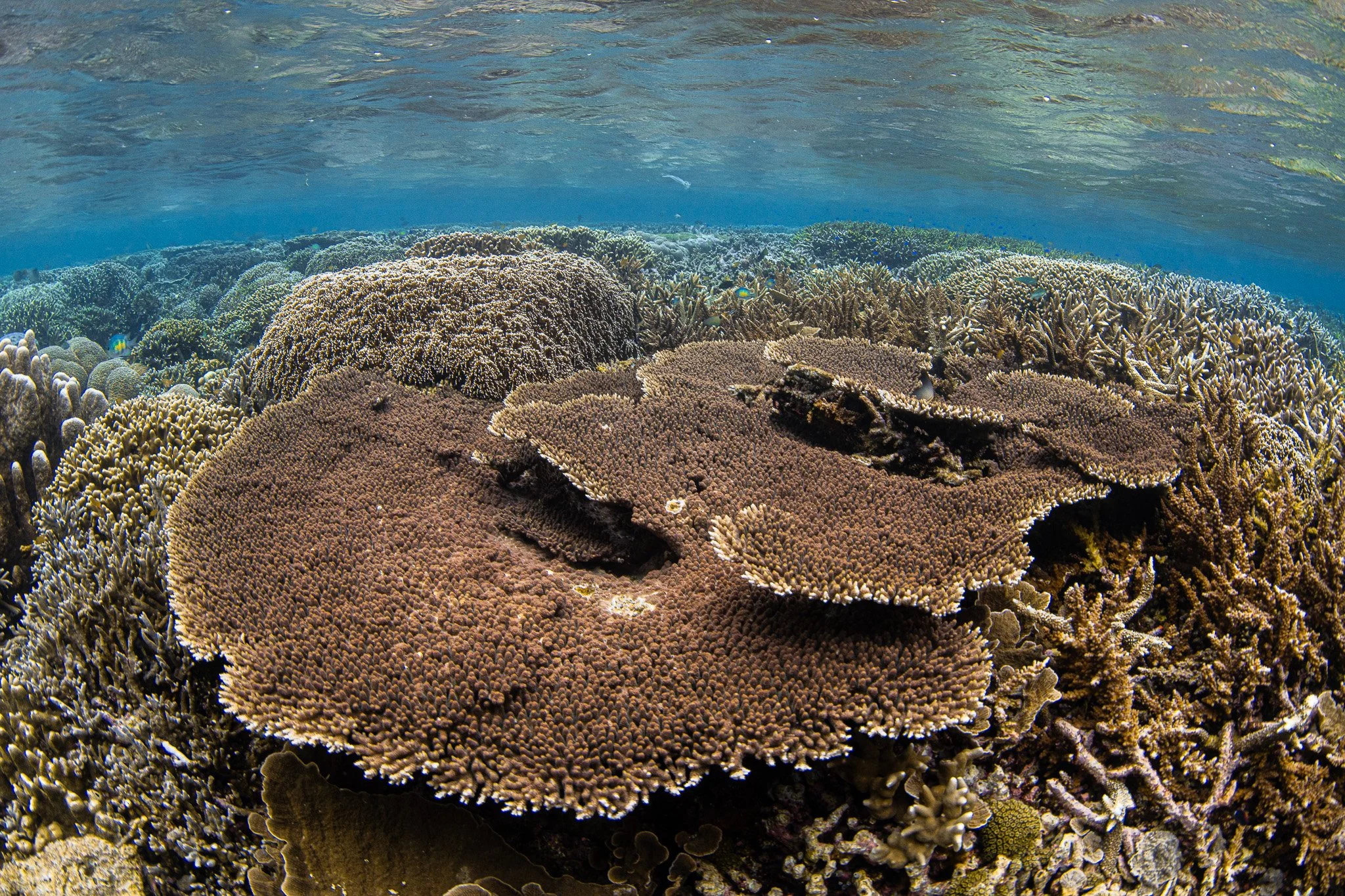
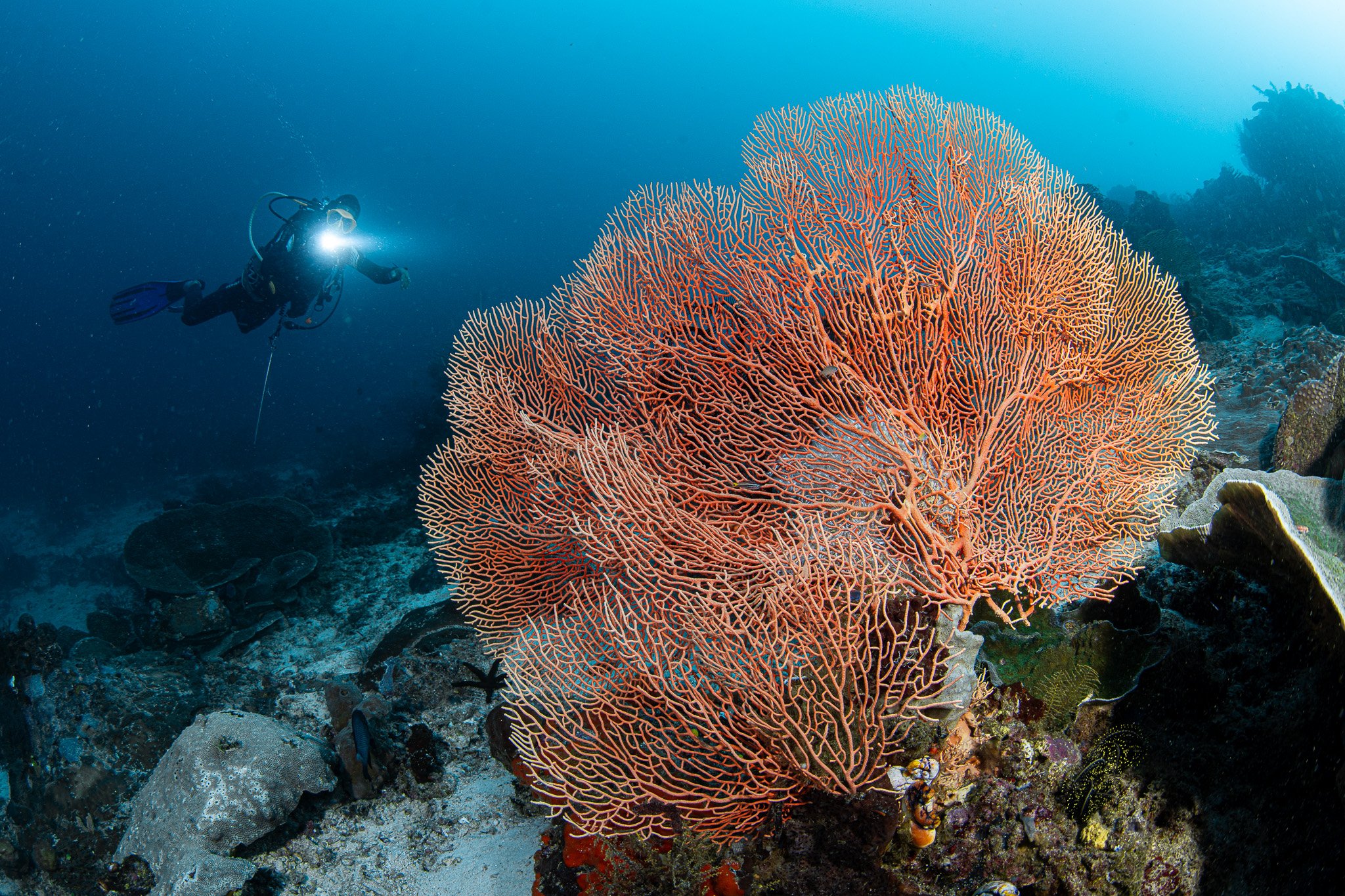
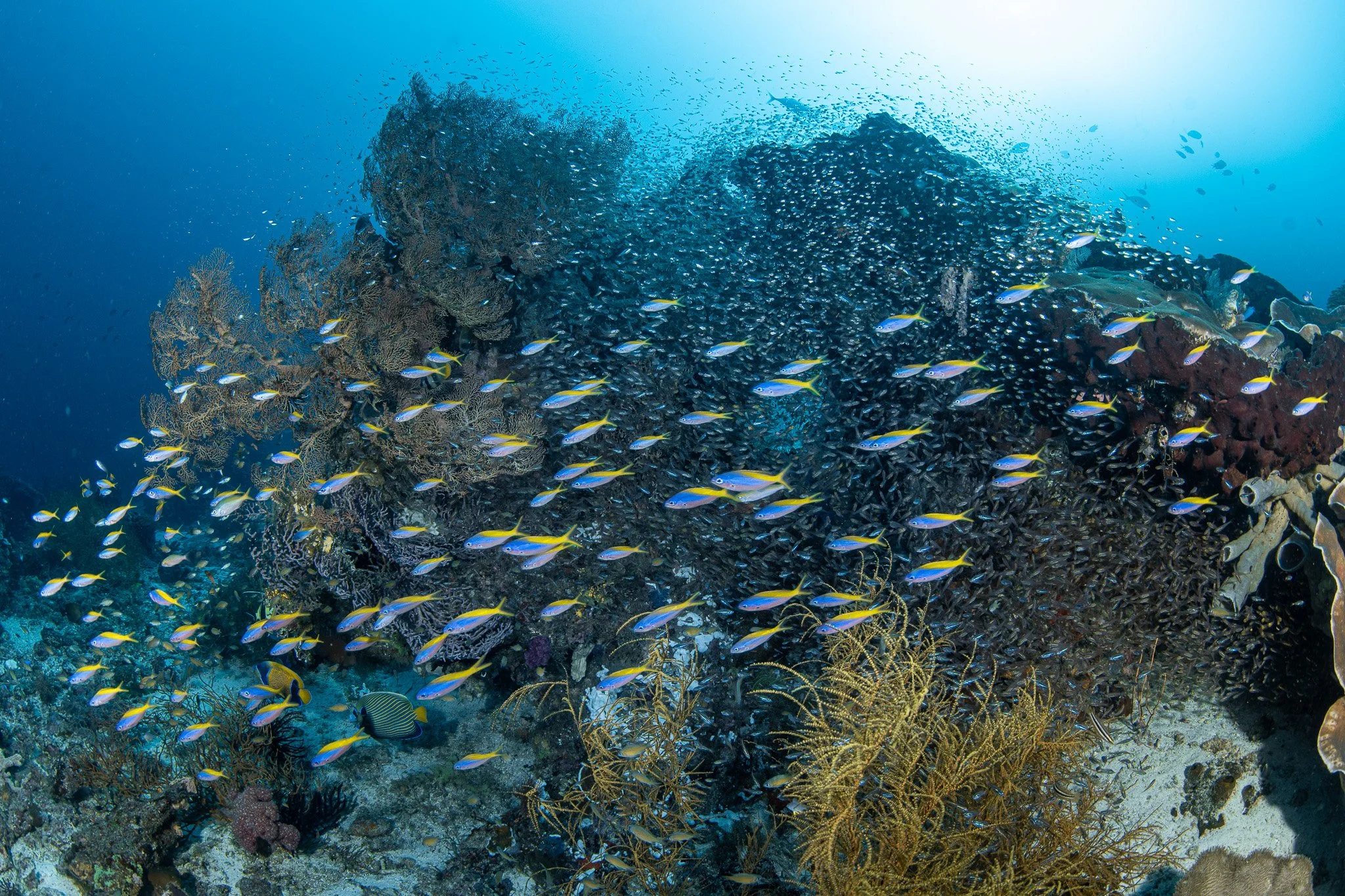
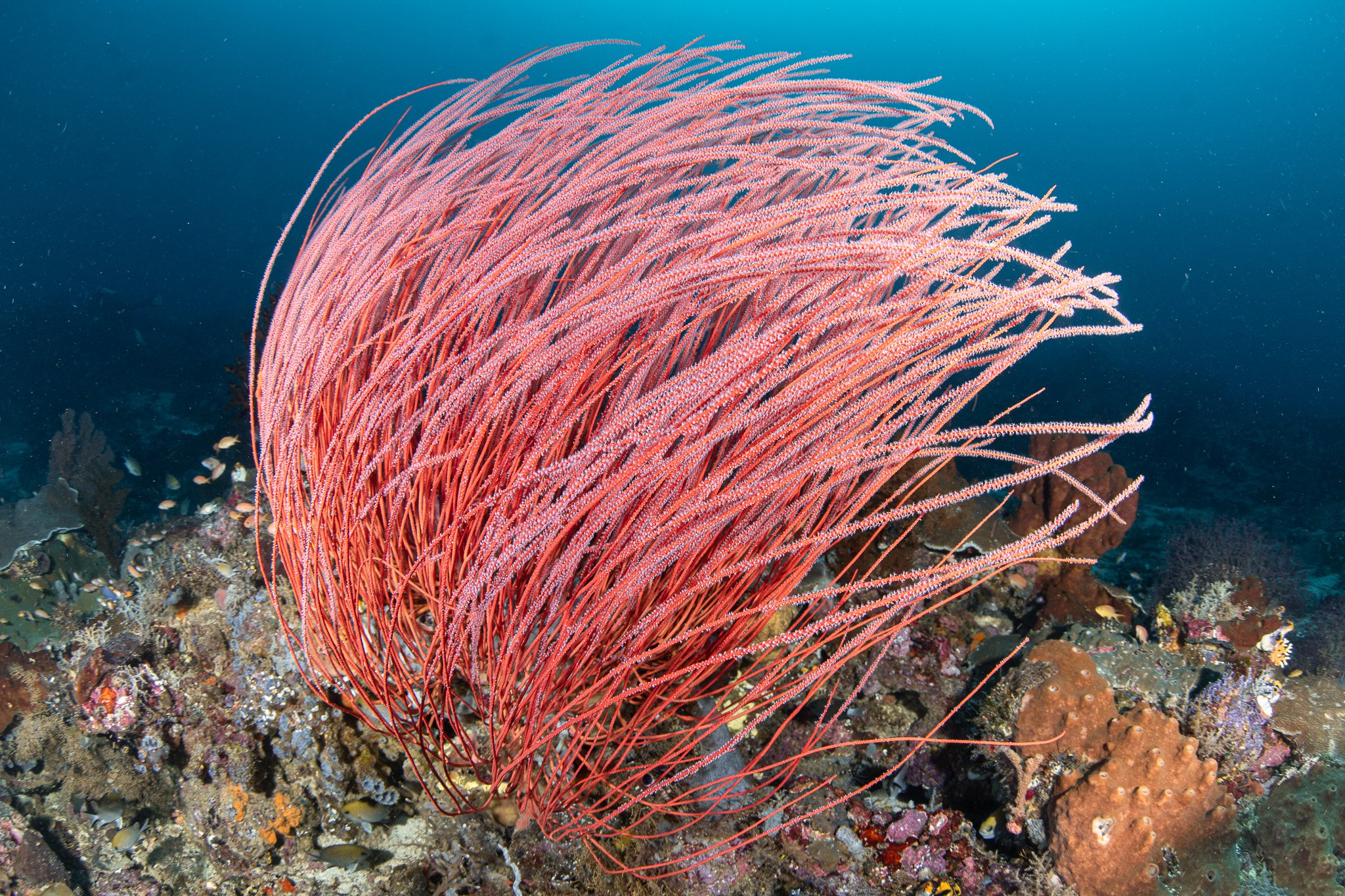
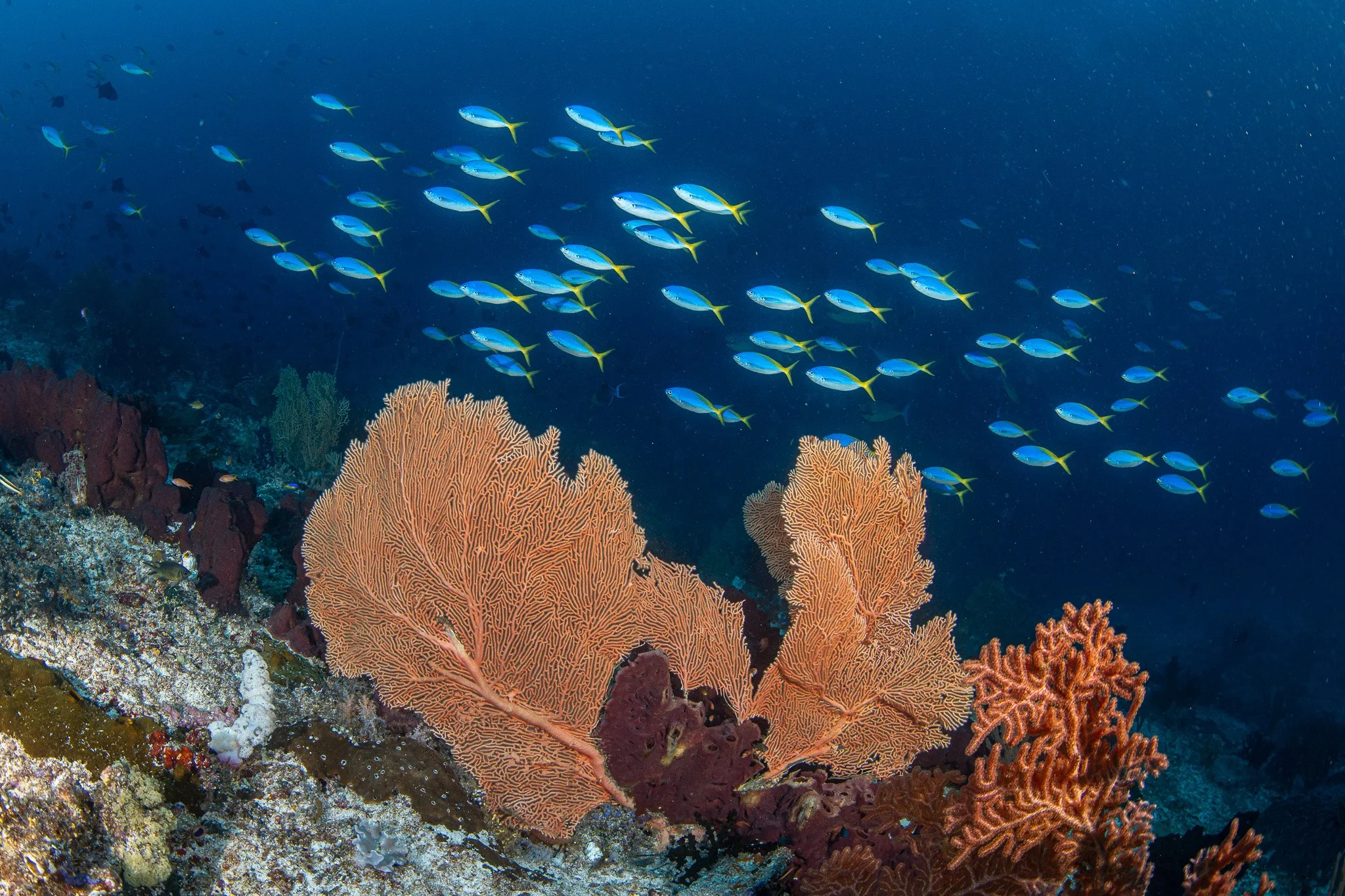
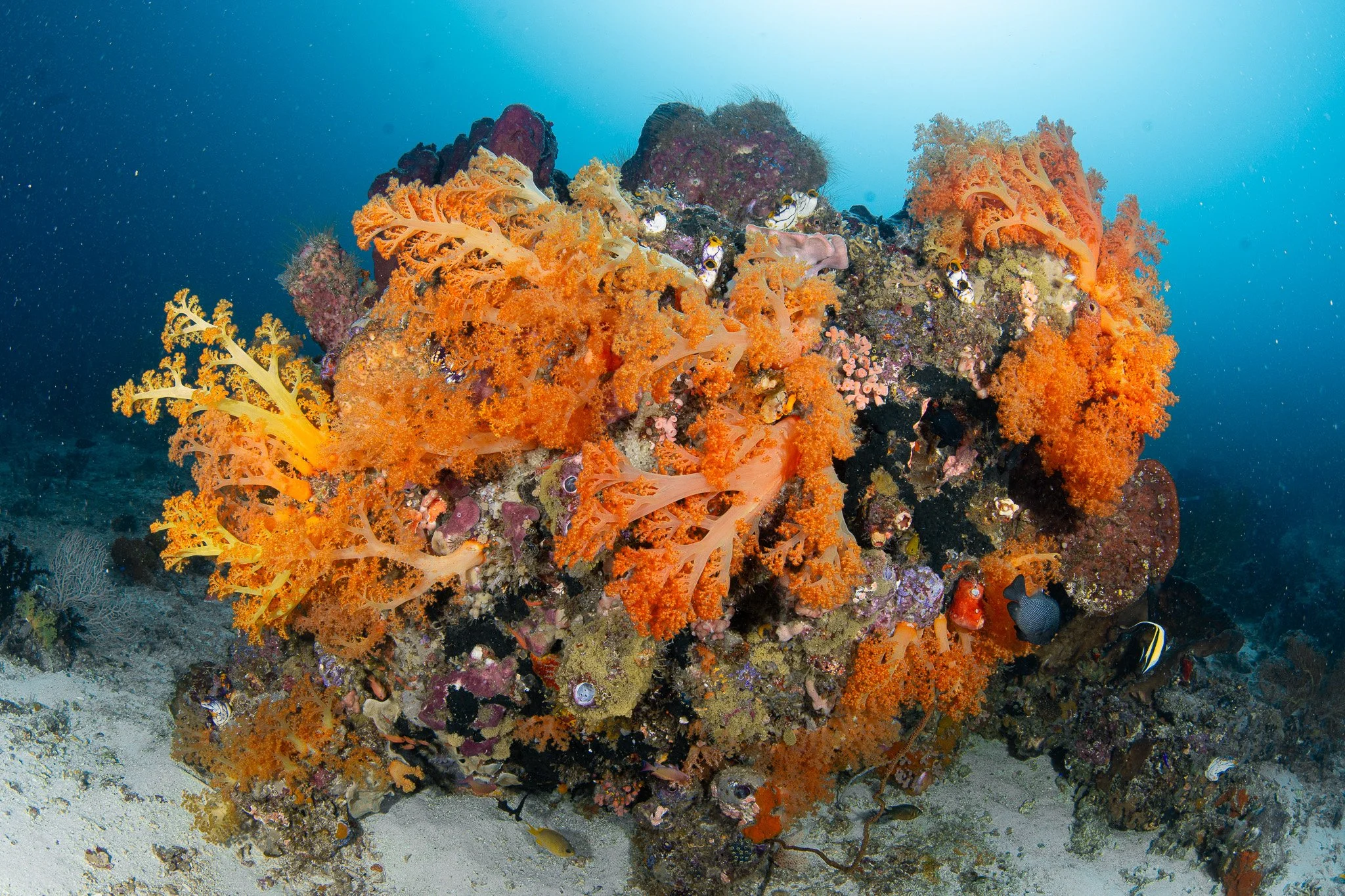
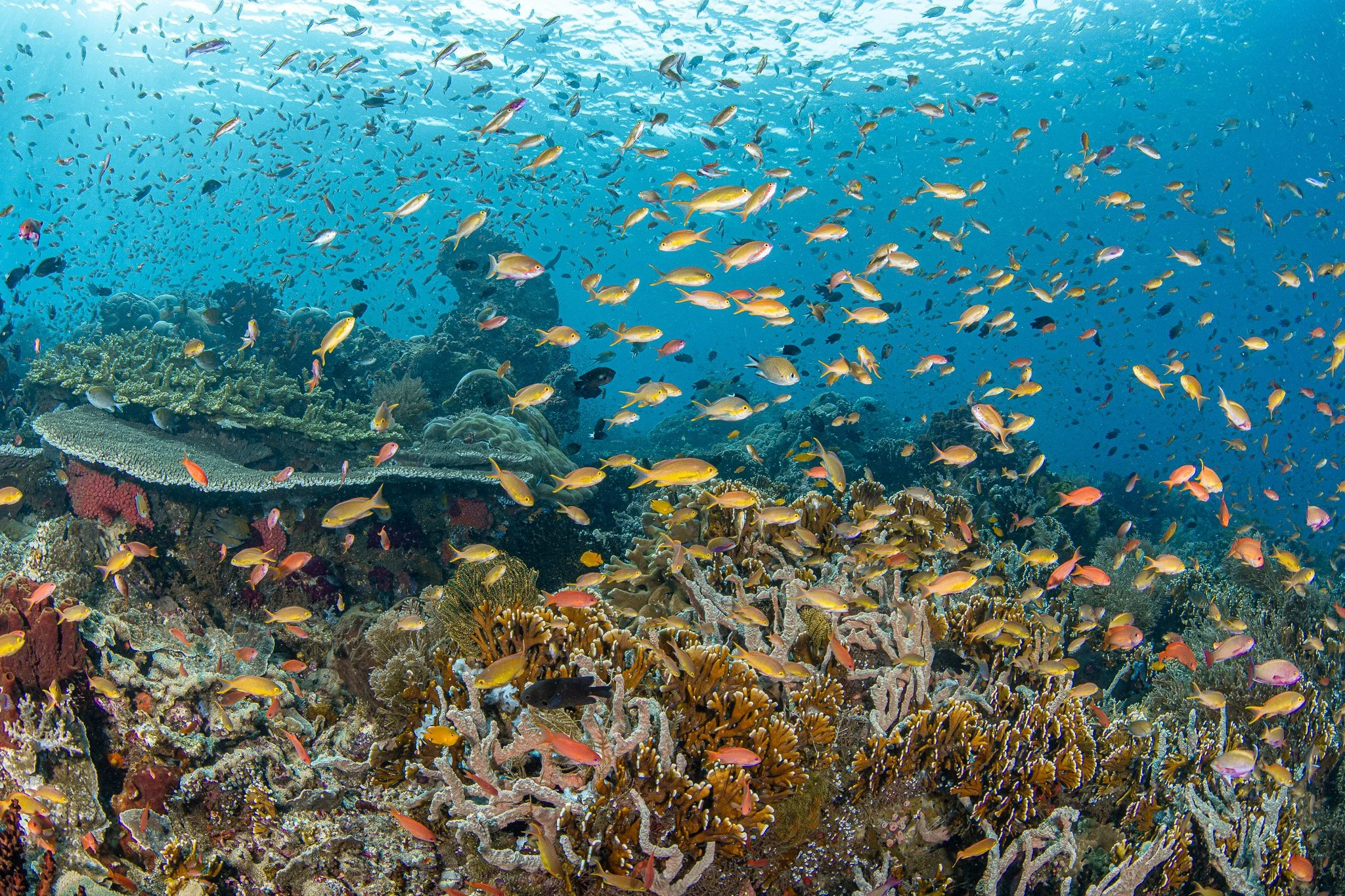
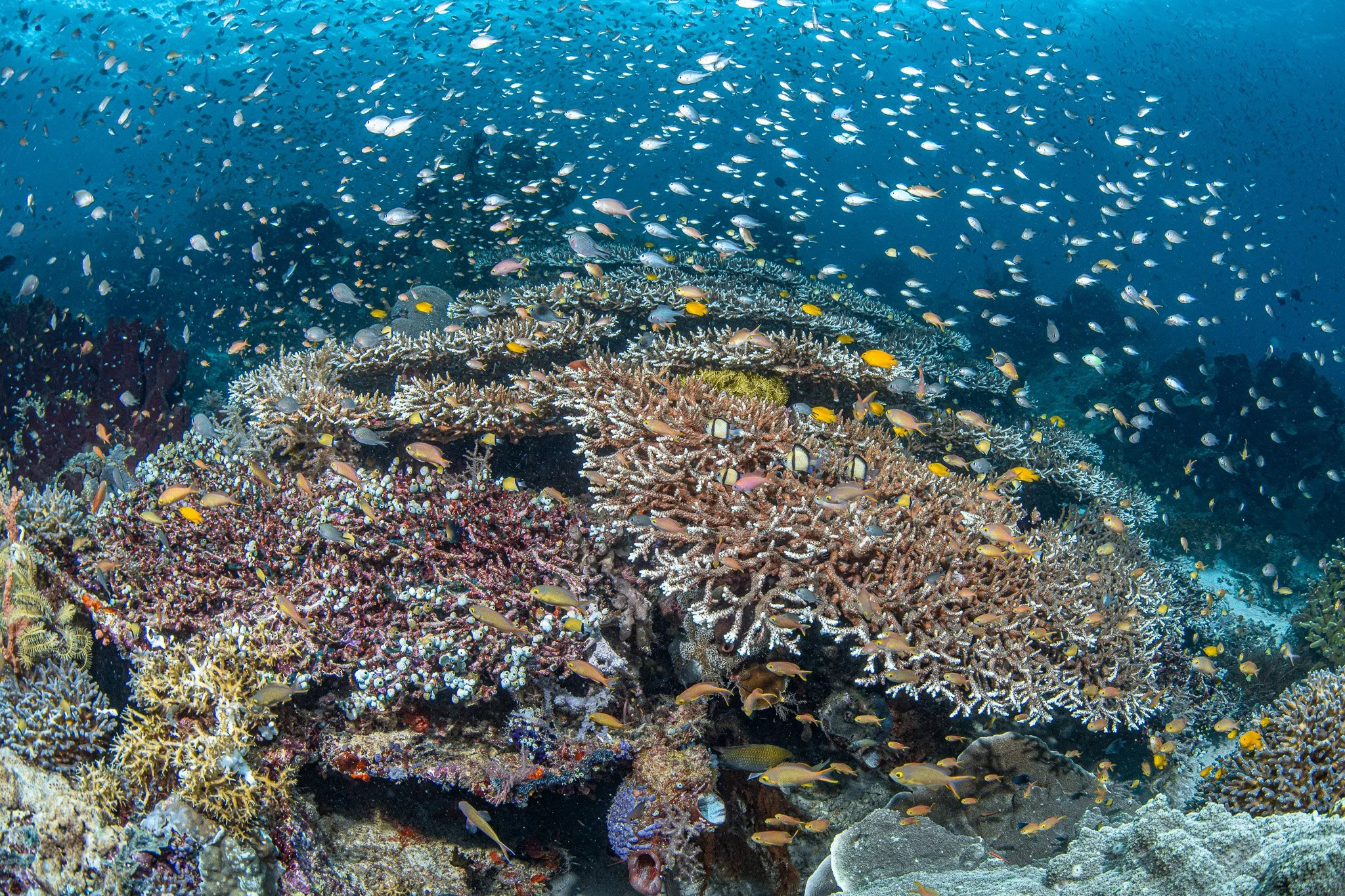
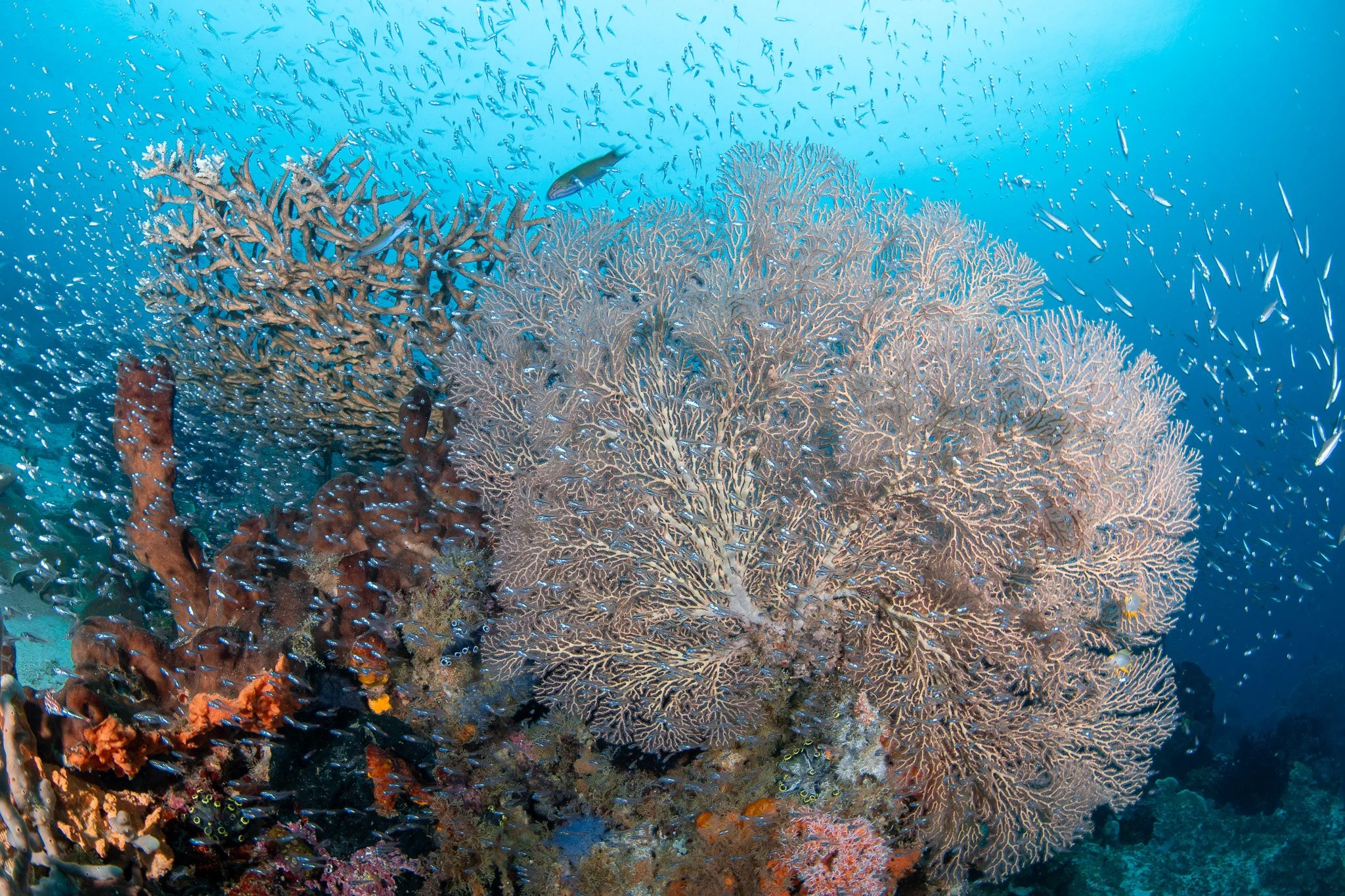
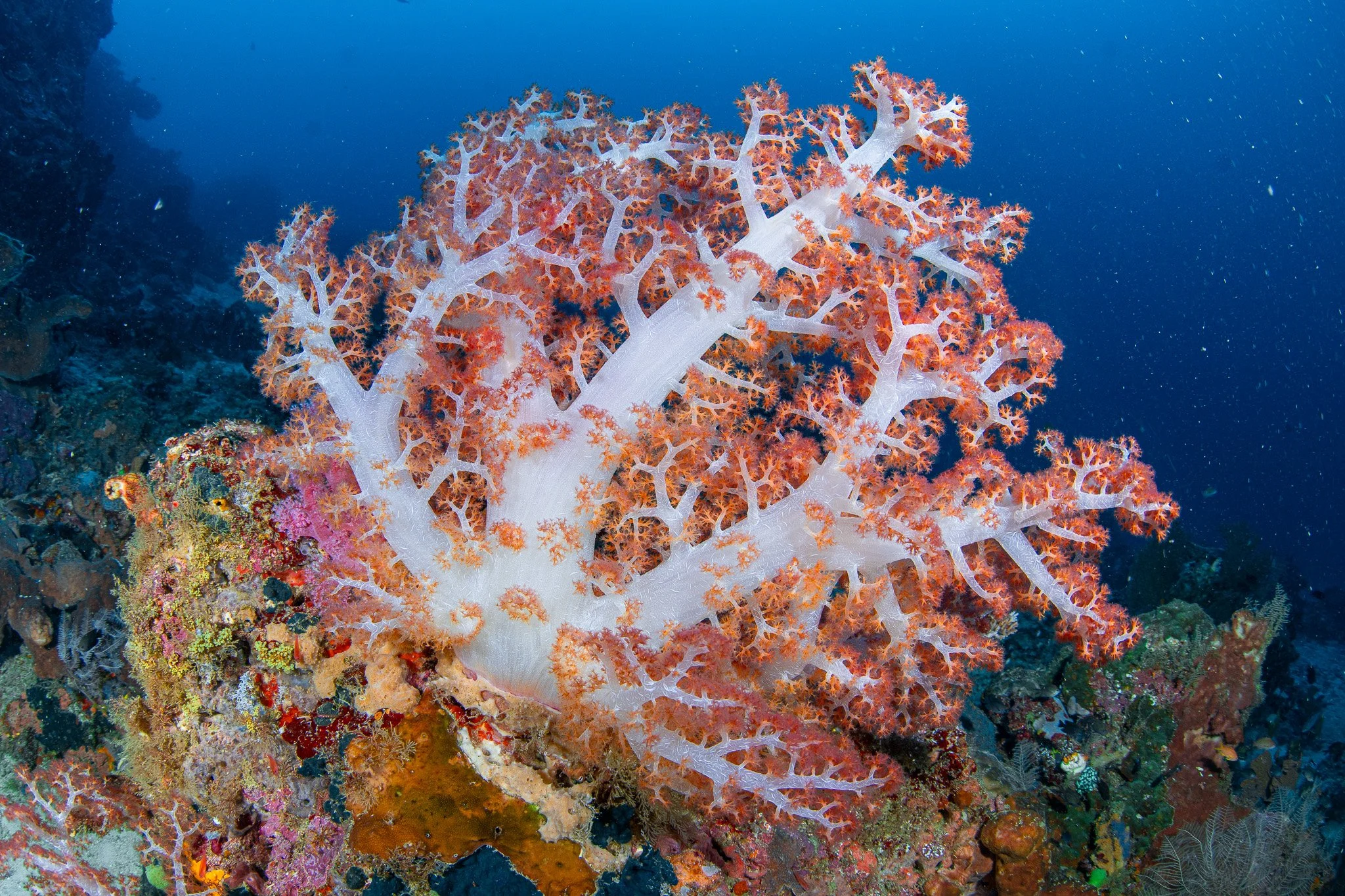
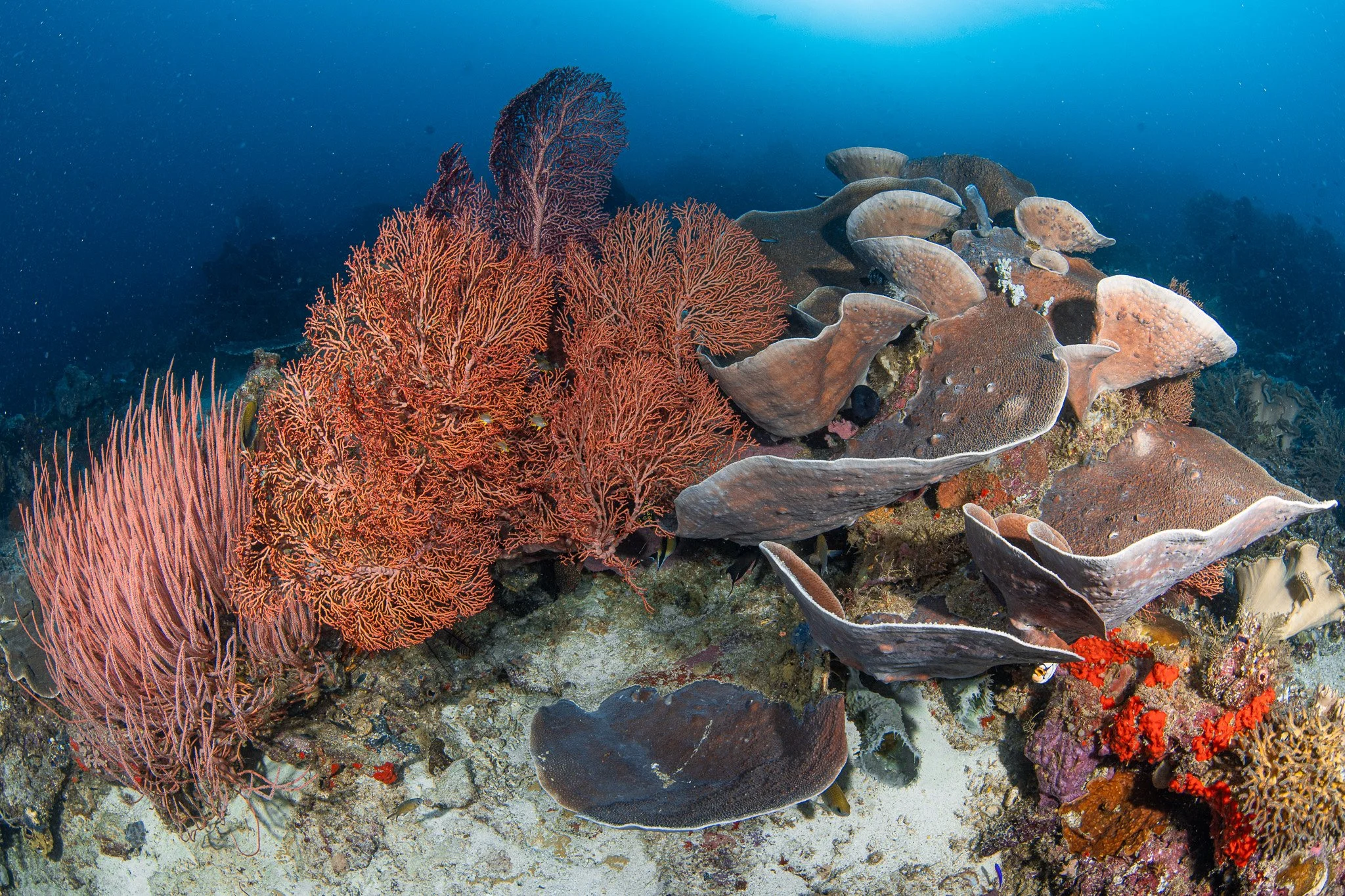
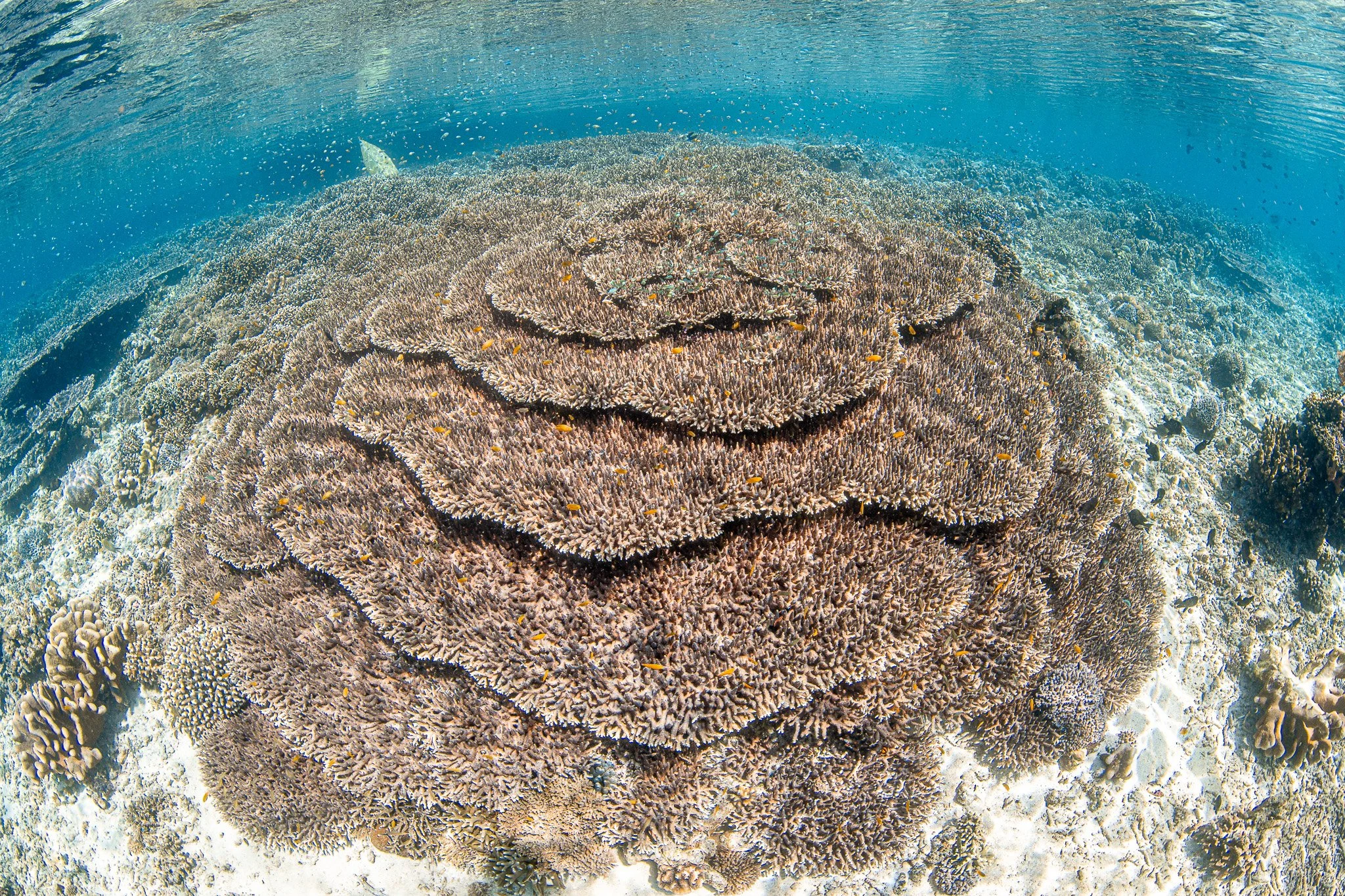
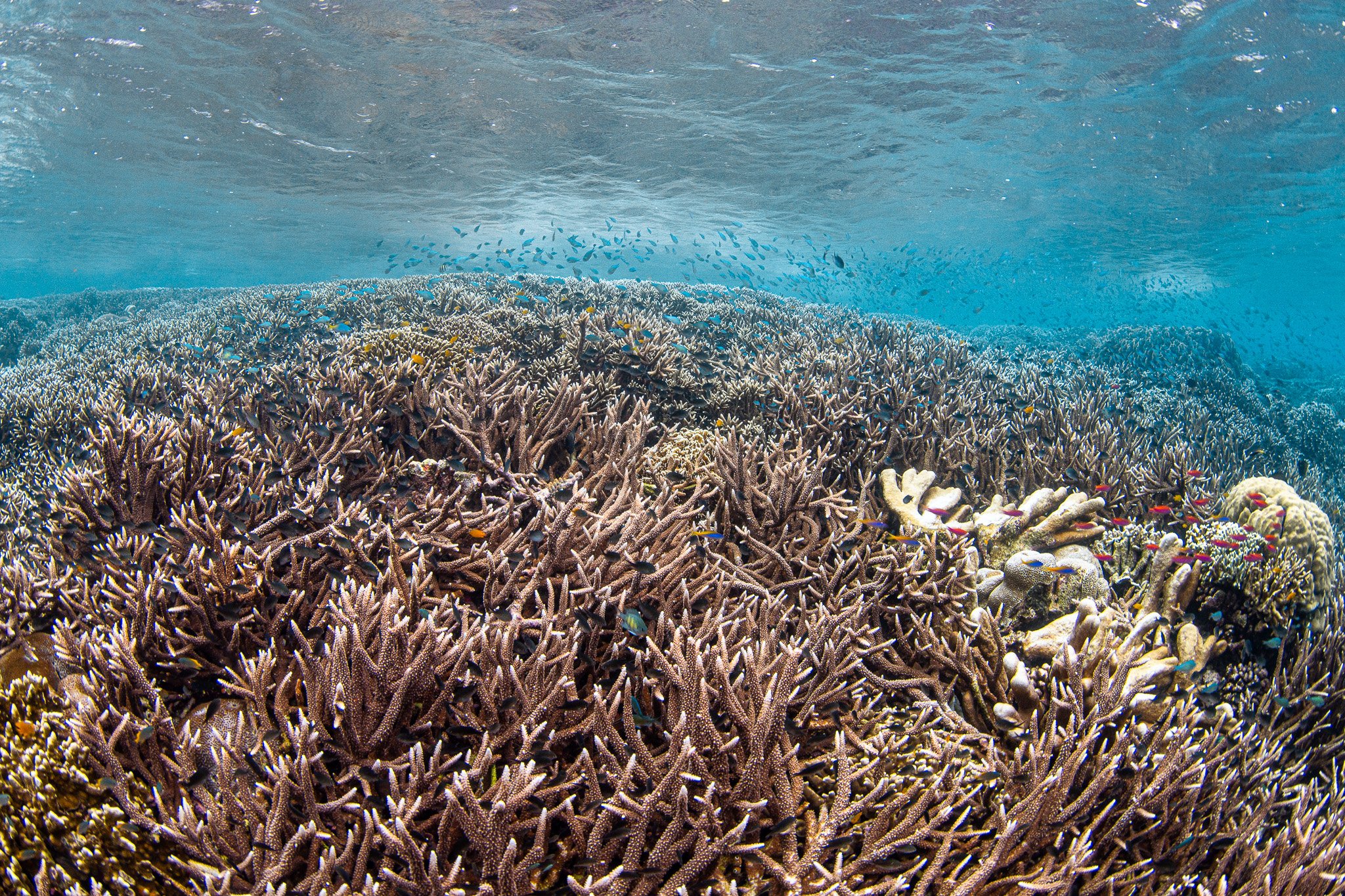
During the last decade, I have been lucky enough to dive very beautiful dive sites and seen healthy coral reefs before, but nothing like I got to see in Halmahera and the Bacan Islands. As mentioned previously, due to the strong currents in the strait, the area constantly receives cooler nutrient-rich water. This is the perfect recipe for a healthy coral reef: most of the dives, even during the day, the corals had their polyps open, meaning that they were always feeding. Also, what was impressive was the variety of corals in the area: many different species of hard corals would piles up in the very shallows, staring a 1m deep during high tide and several species of soft coral would share the deeper areas and areas with stronger currents, creating blasts of colors all over the dive sites.
The Bacan Islands are also protected from commercial fish and destructive fishing practises: althought the area is very large and there are no rangers patrolling, the locals and the resorts are the ones taking care of it, reporting any fraudulent activity to the authorities, or solving the problem themselves by talking to these fishermen in question. It is great to see that some areas are still cared about: in exchange the reefs are thriving, and the fish population is pretty healthy, with the presence of some larger predators, such as sharks, napoleons and tunas coming close to the reefs.
My intake is that if you are coral lover, Halmahera should DEFINETLY be on your list, no regrets there!
The Unexpected Macro Festival
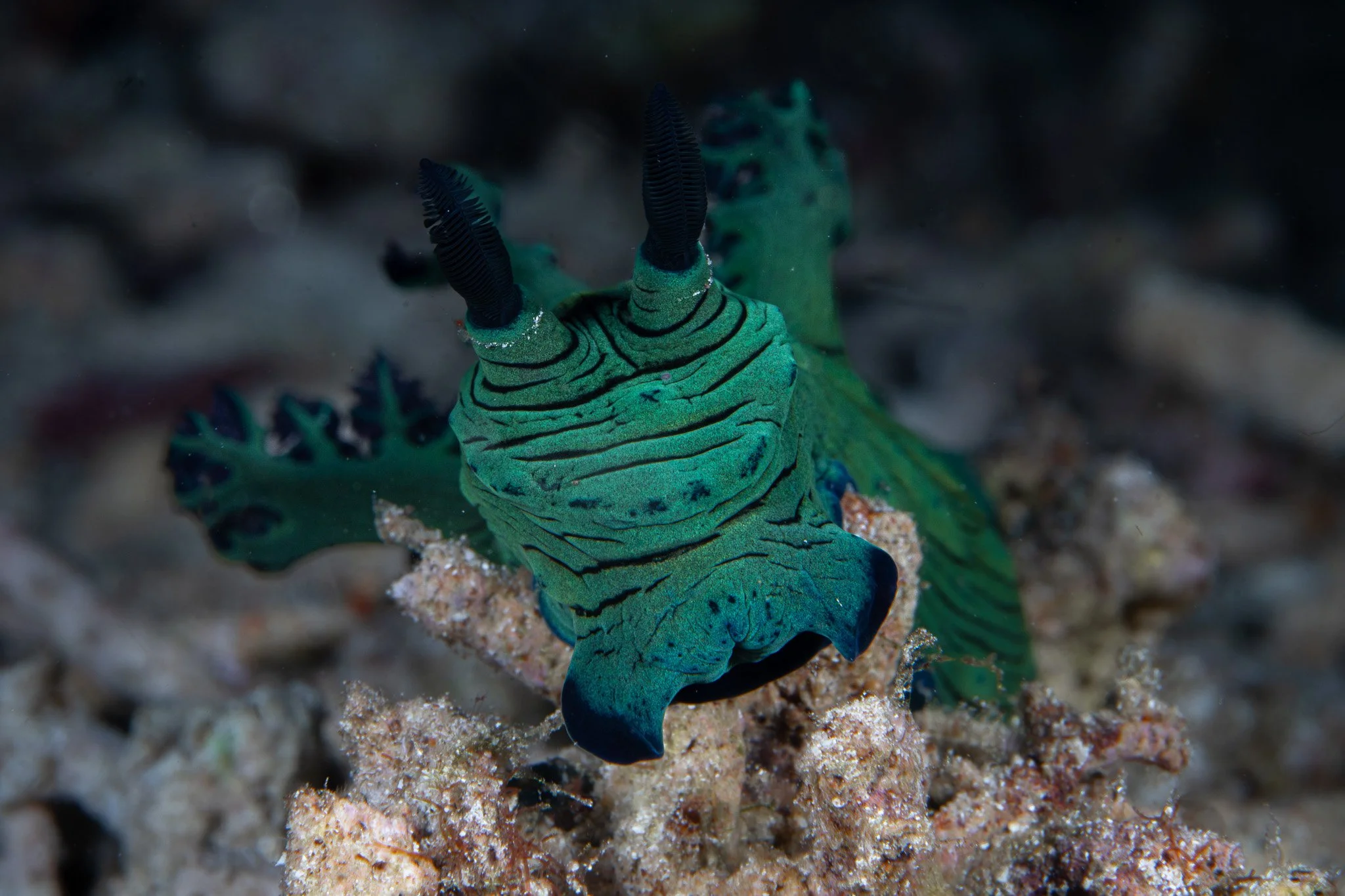
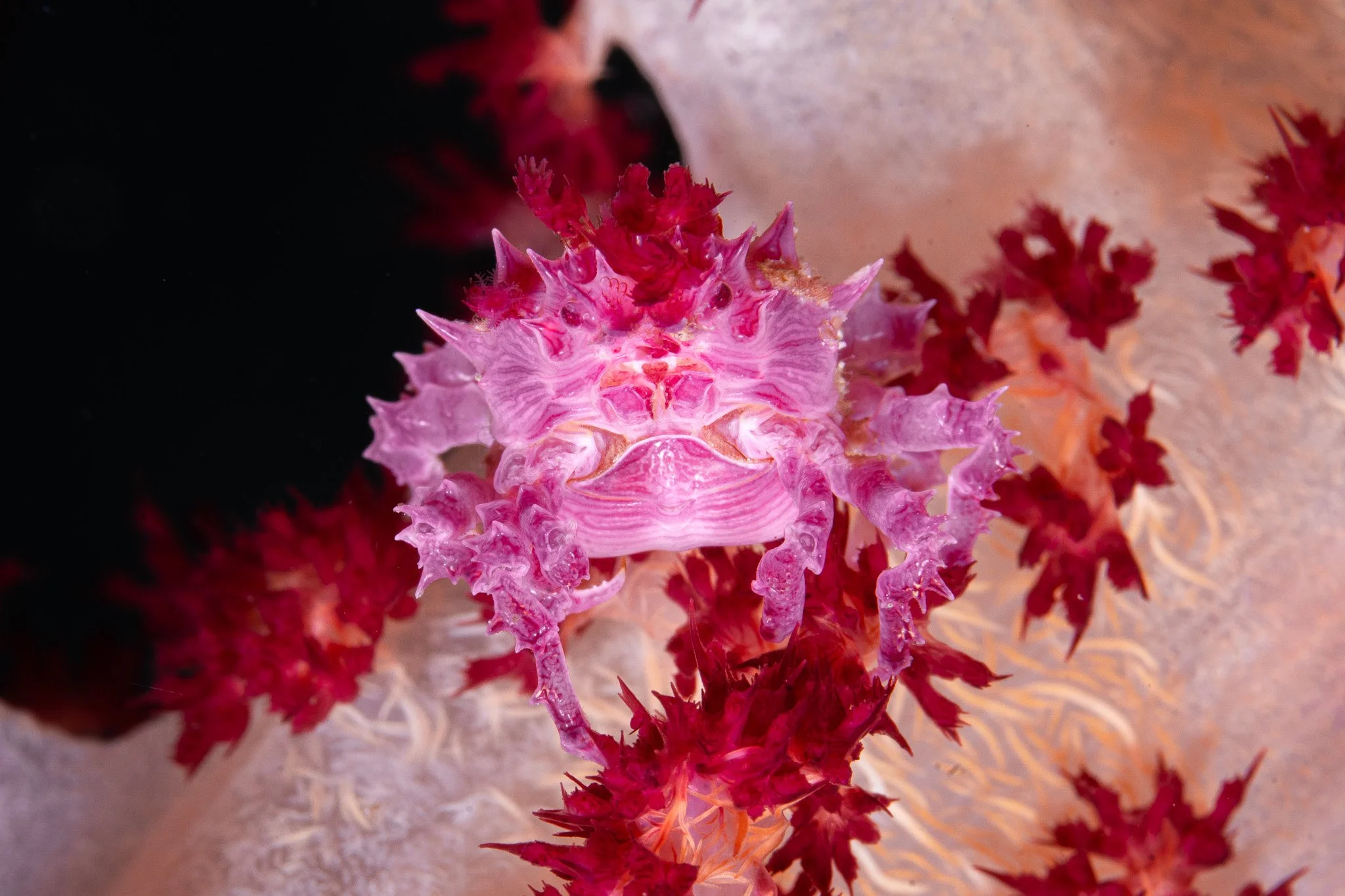
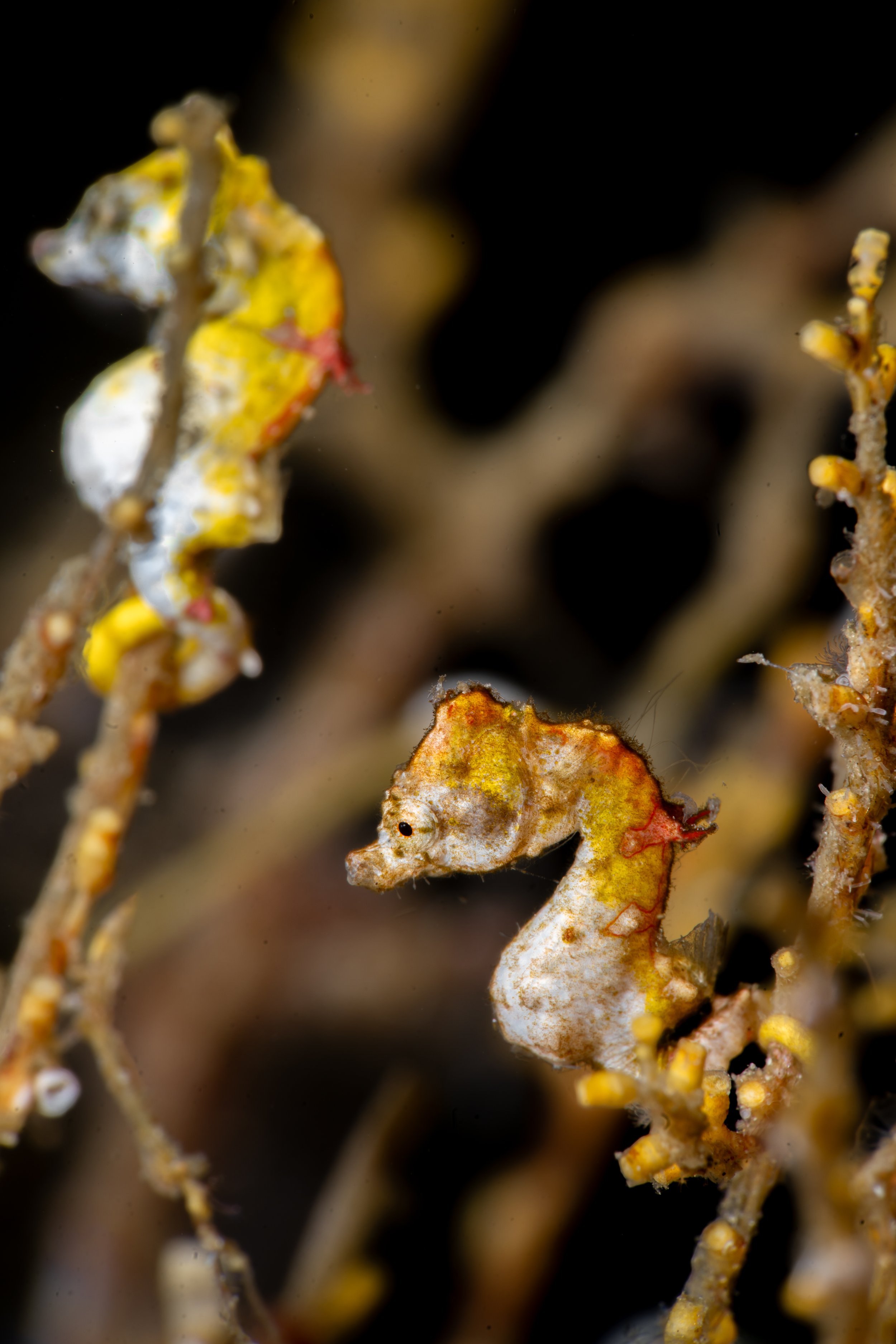
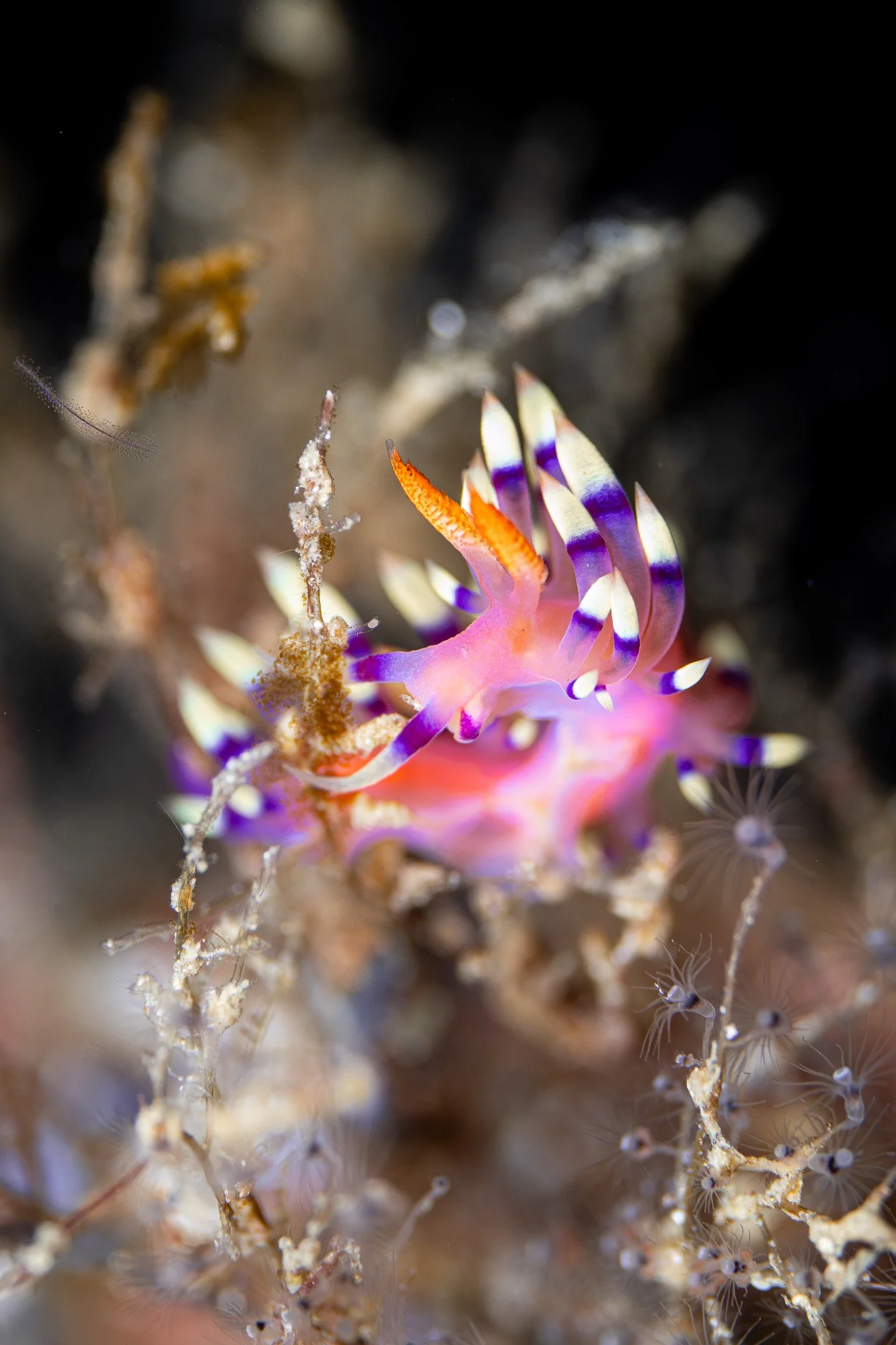
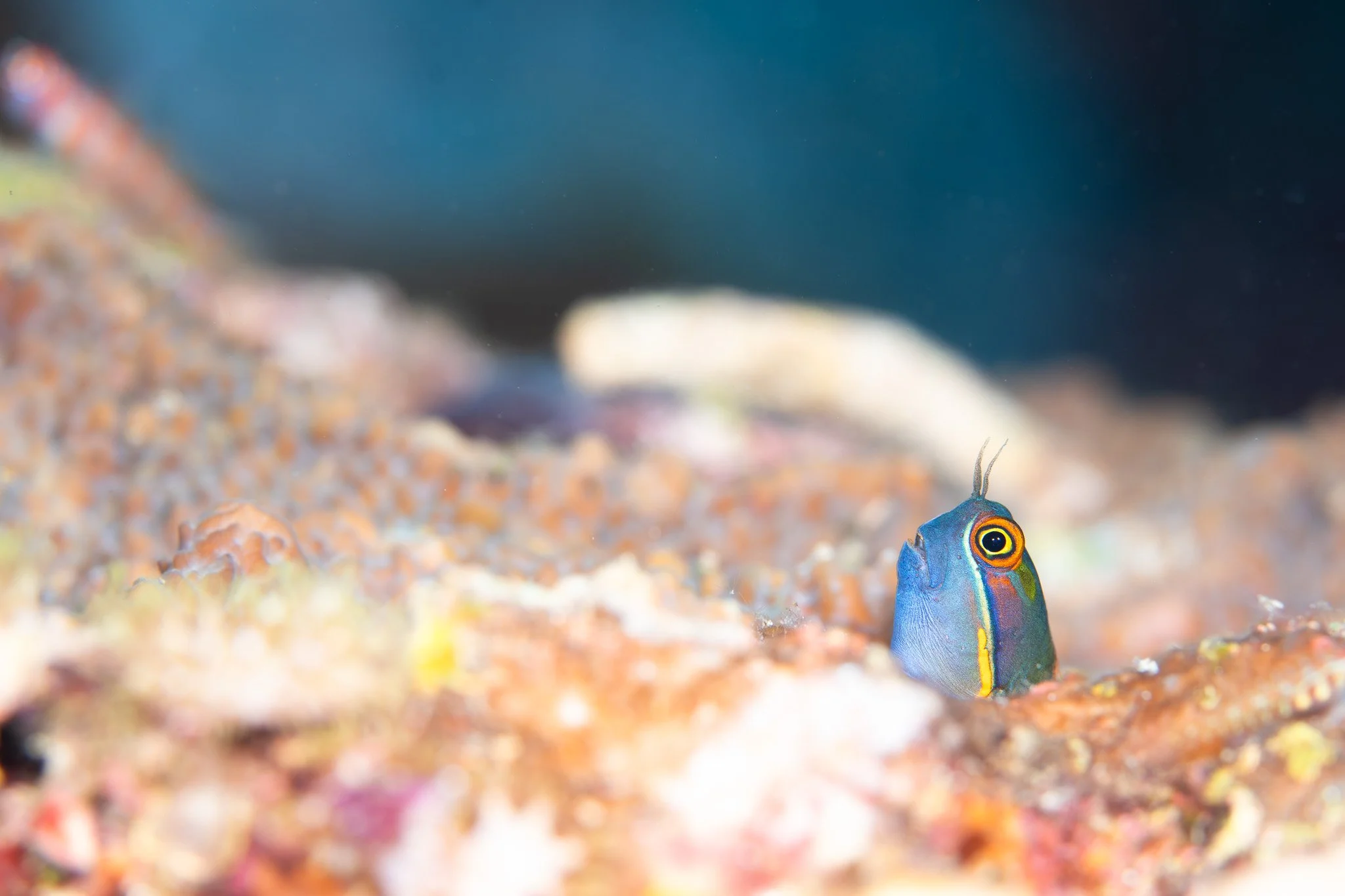
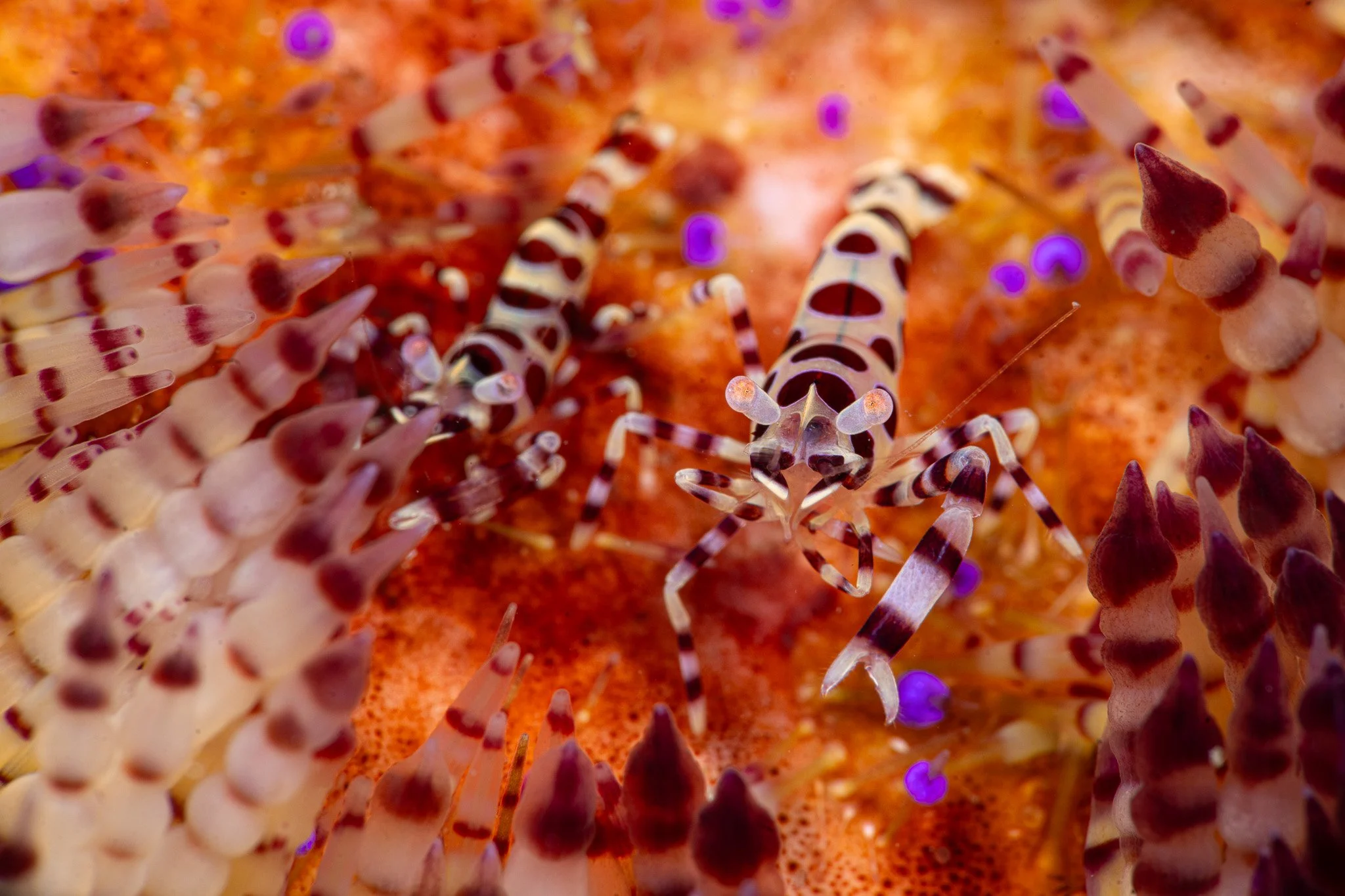
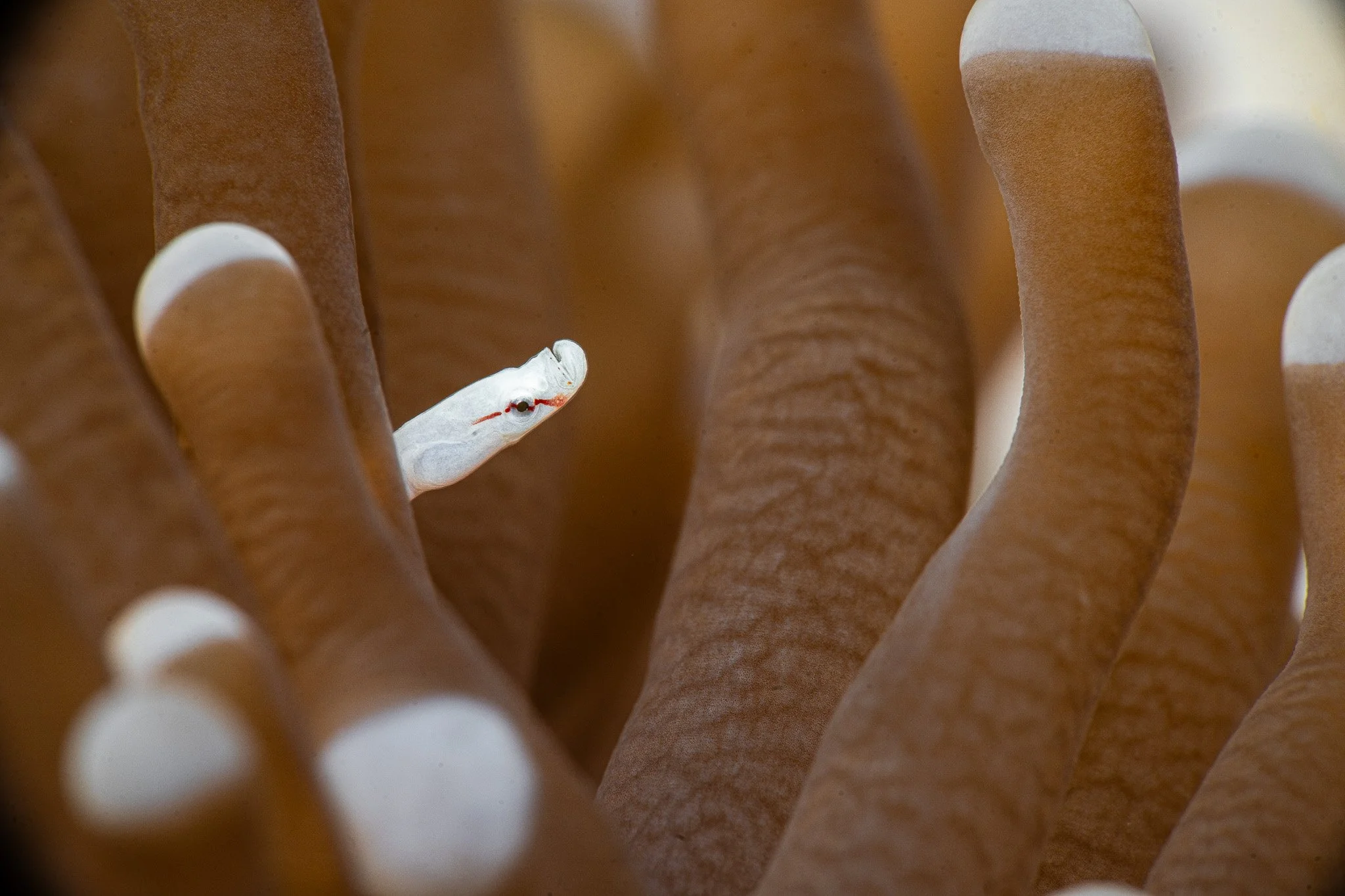
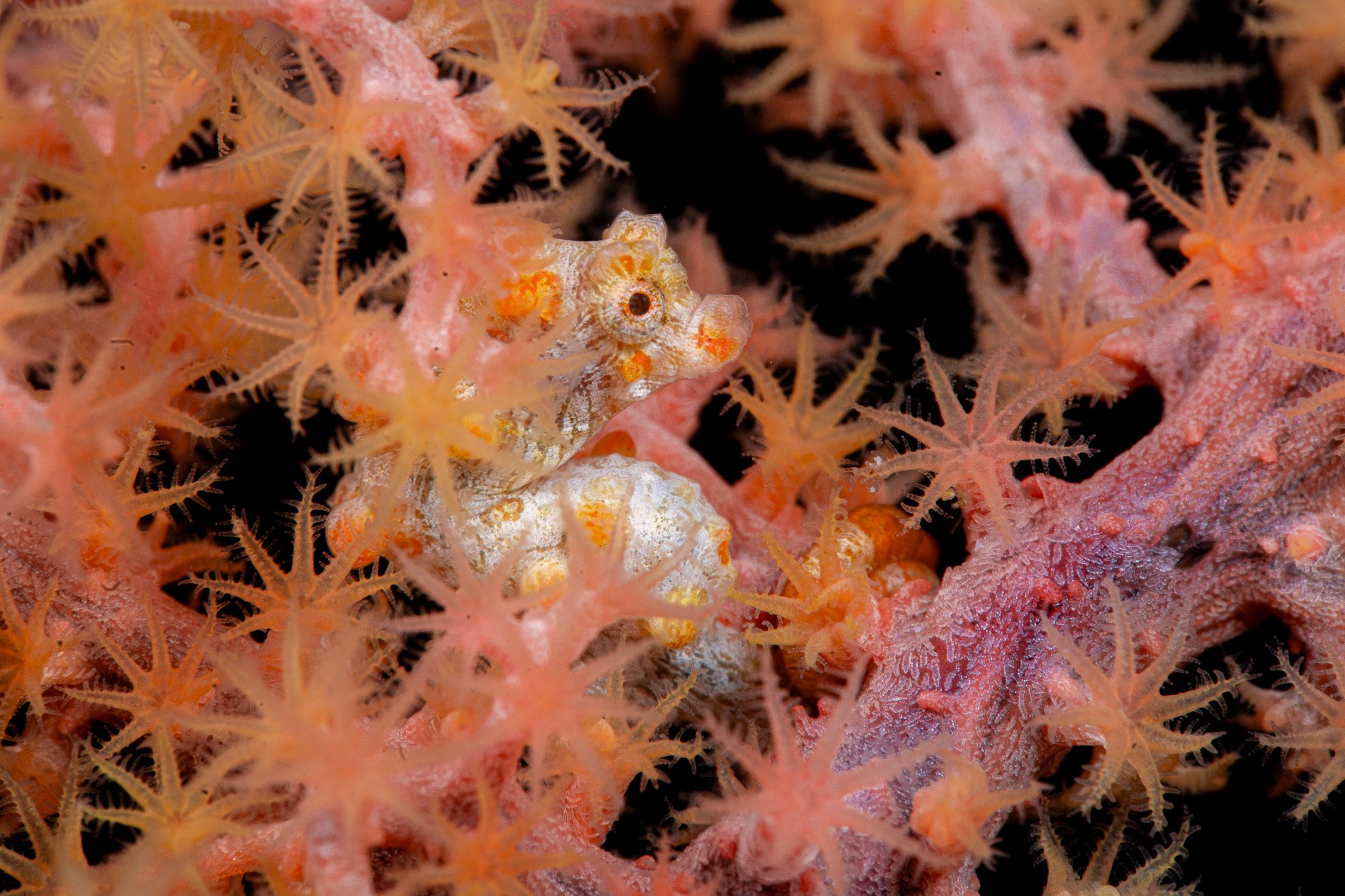
My initial plan was not to take my macro lens with me, as I probably have some of the best macro/muck dives in the world on my doorstep, well I am glad I did bring it with me!
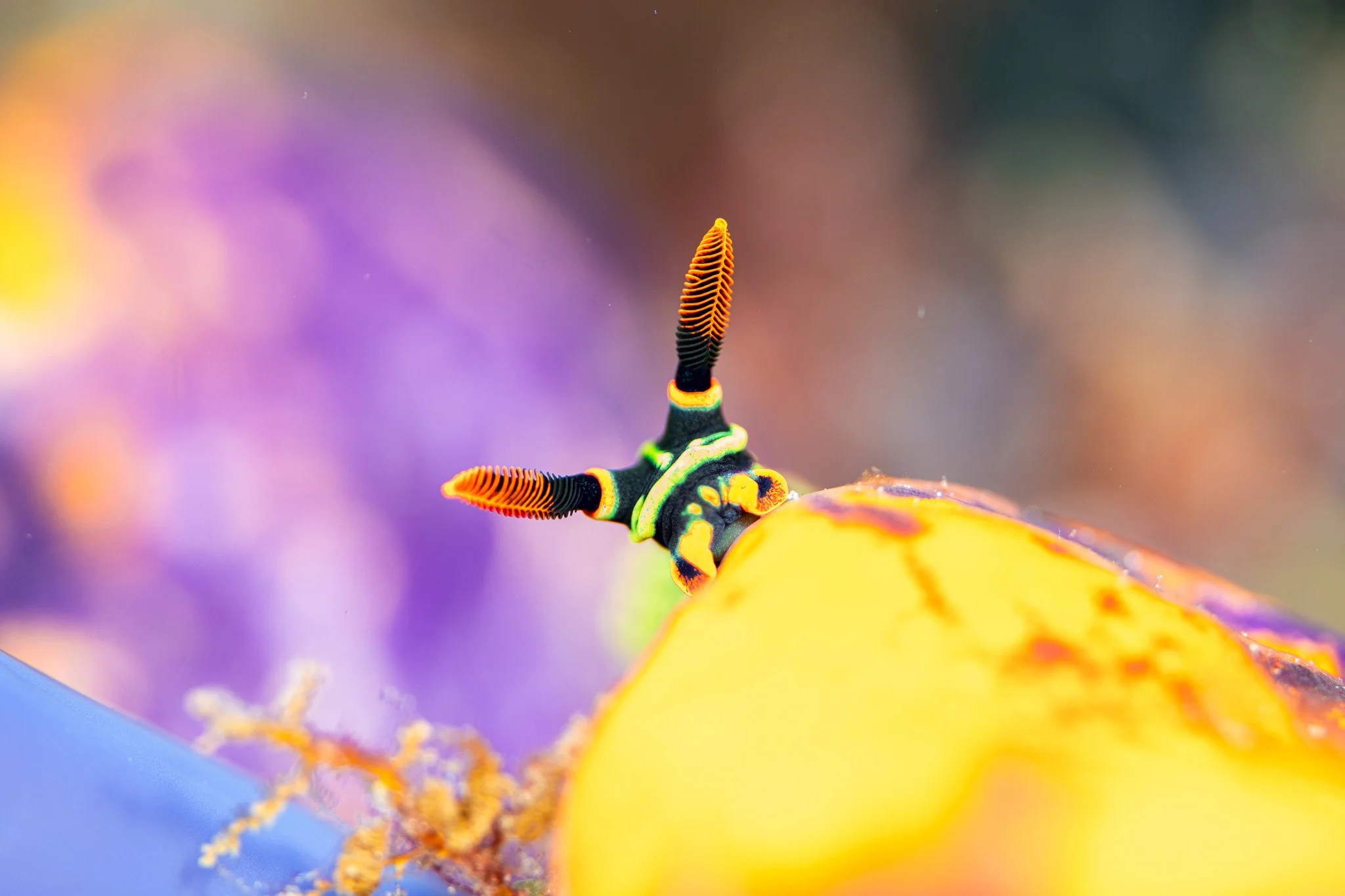
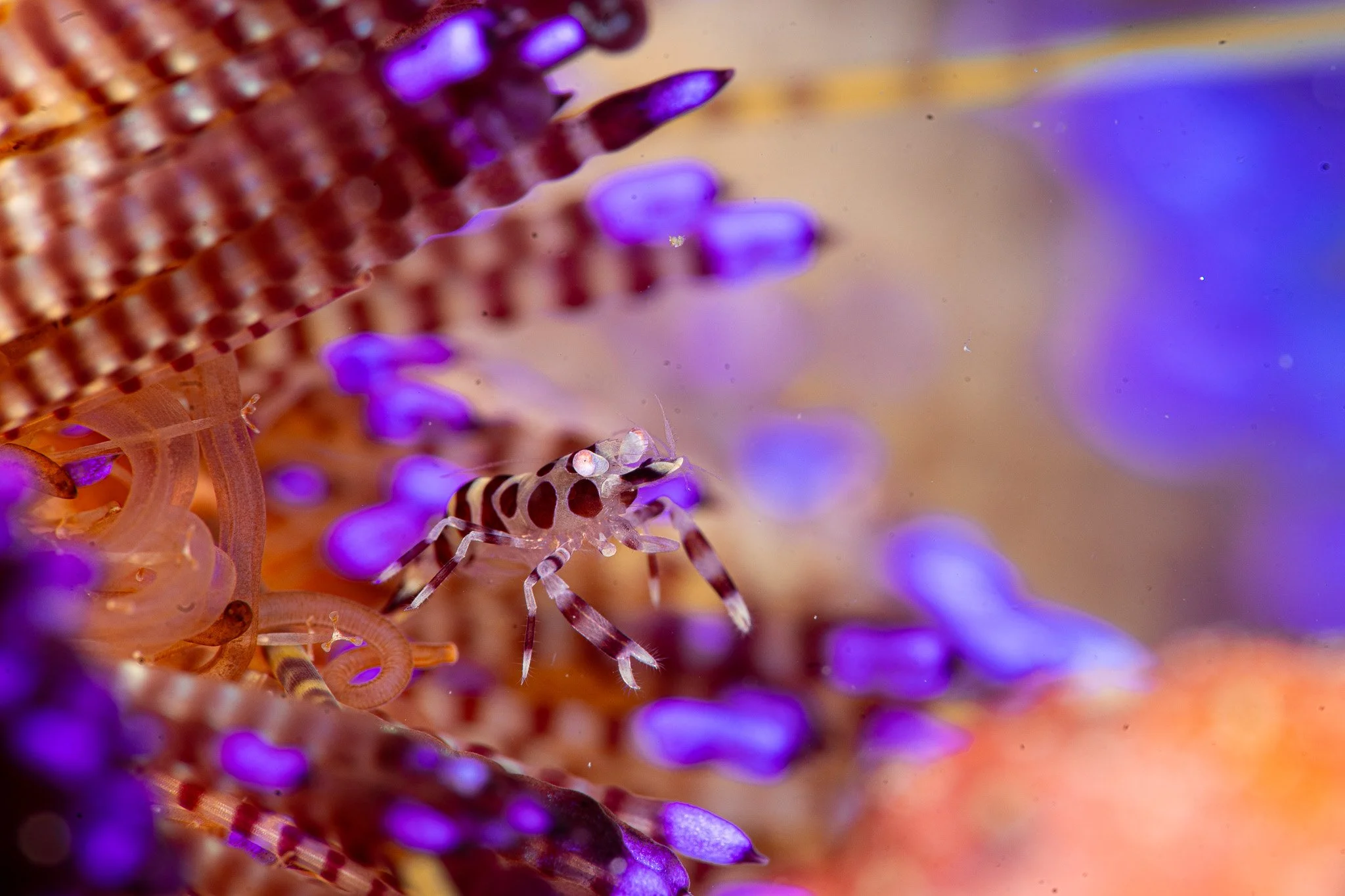
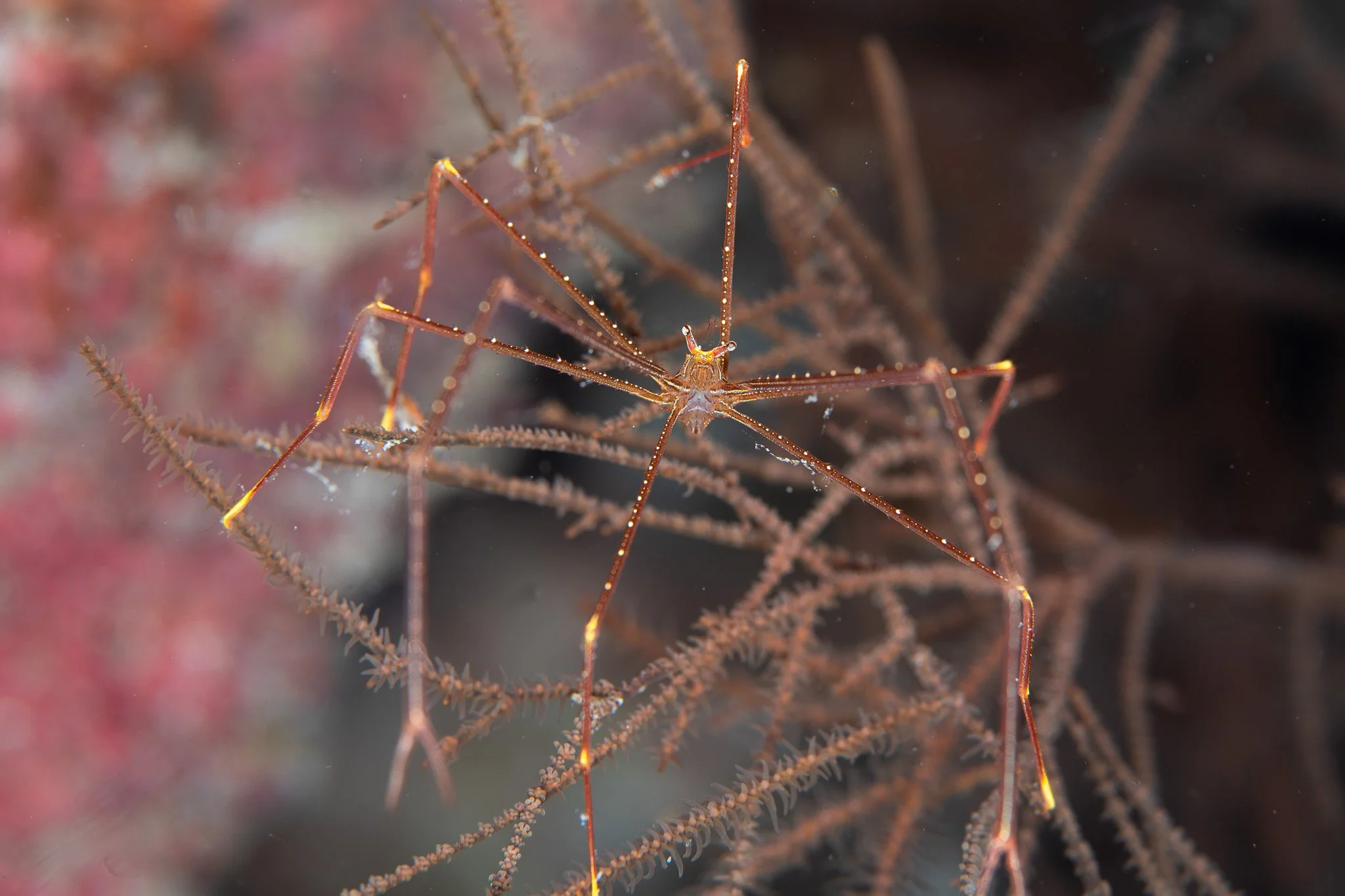
More than the insanely beautiful reefs, the macro show I got to witness there was unexpected: every dive I had the dilema of choosing which lens I was going to use, as pretty much all sites have great subjects for both. My guide, Lorens, originally born in Bunaken and have worked in Lembeh in the past, had really good eagle eyes and really helped me find some incredible subjects: he found Pontohi Pigmy Seahorse on pretty much every dive site and the coolest and tiniest nudibranchs, some of them I have never seen before. I also got to witness Bargibanti Pigmy Seahorses displaying 4 different skin colors, something pretty cool to see and that you really need to pay attention too.
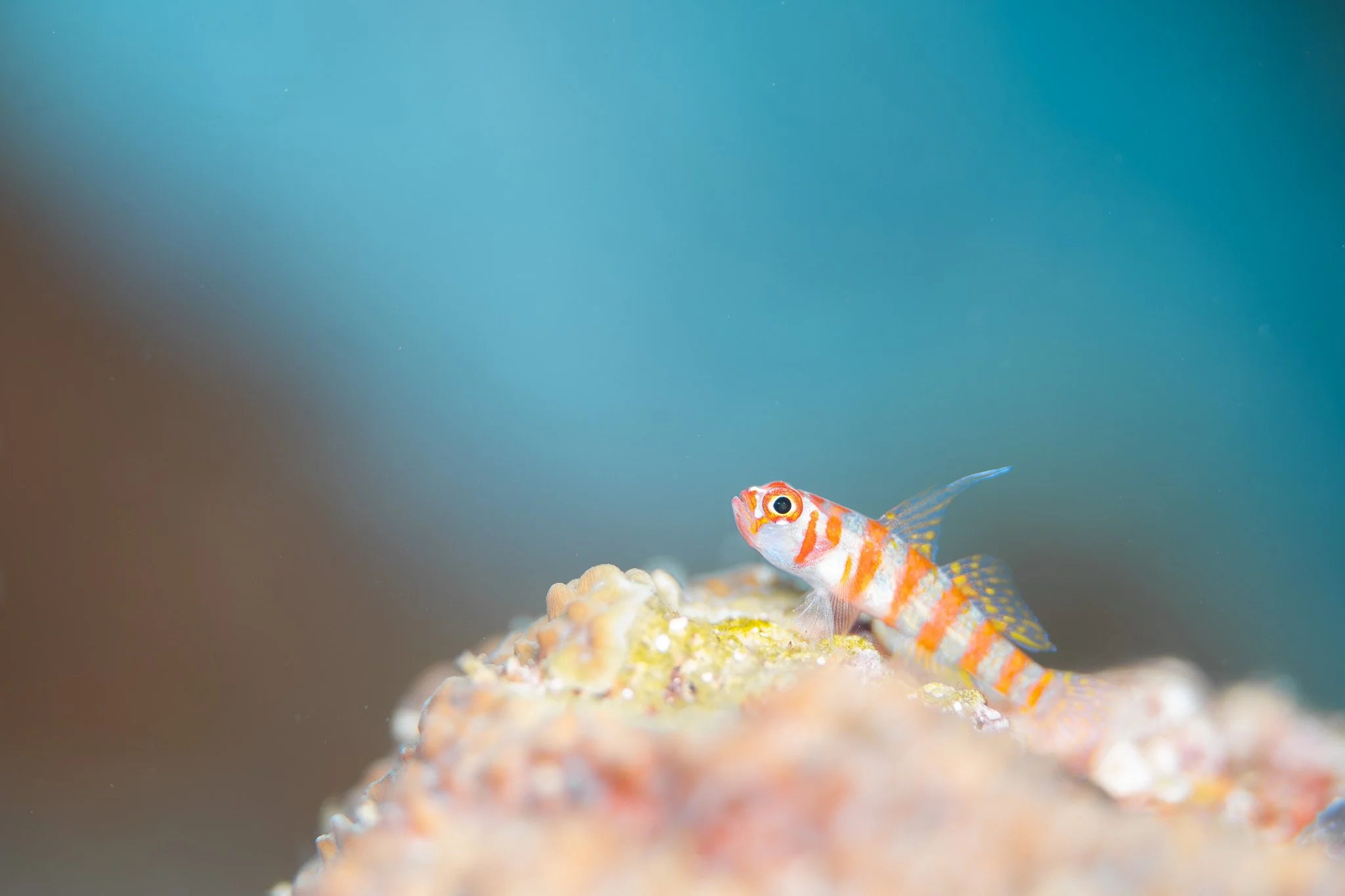
A big first one for me was the Mushroom Coral Pipefish, a crazy hard subject to shoot, because of its tiny size and wiggly nature. Other first for me were manly smaller fishes, many of them endemic to the North Maluku and Halmahera area, like the Splendid Dottyback or the Randall’s Blenny.
The House Reef of Sali Bay Resort
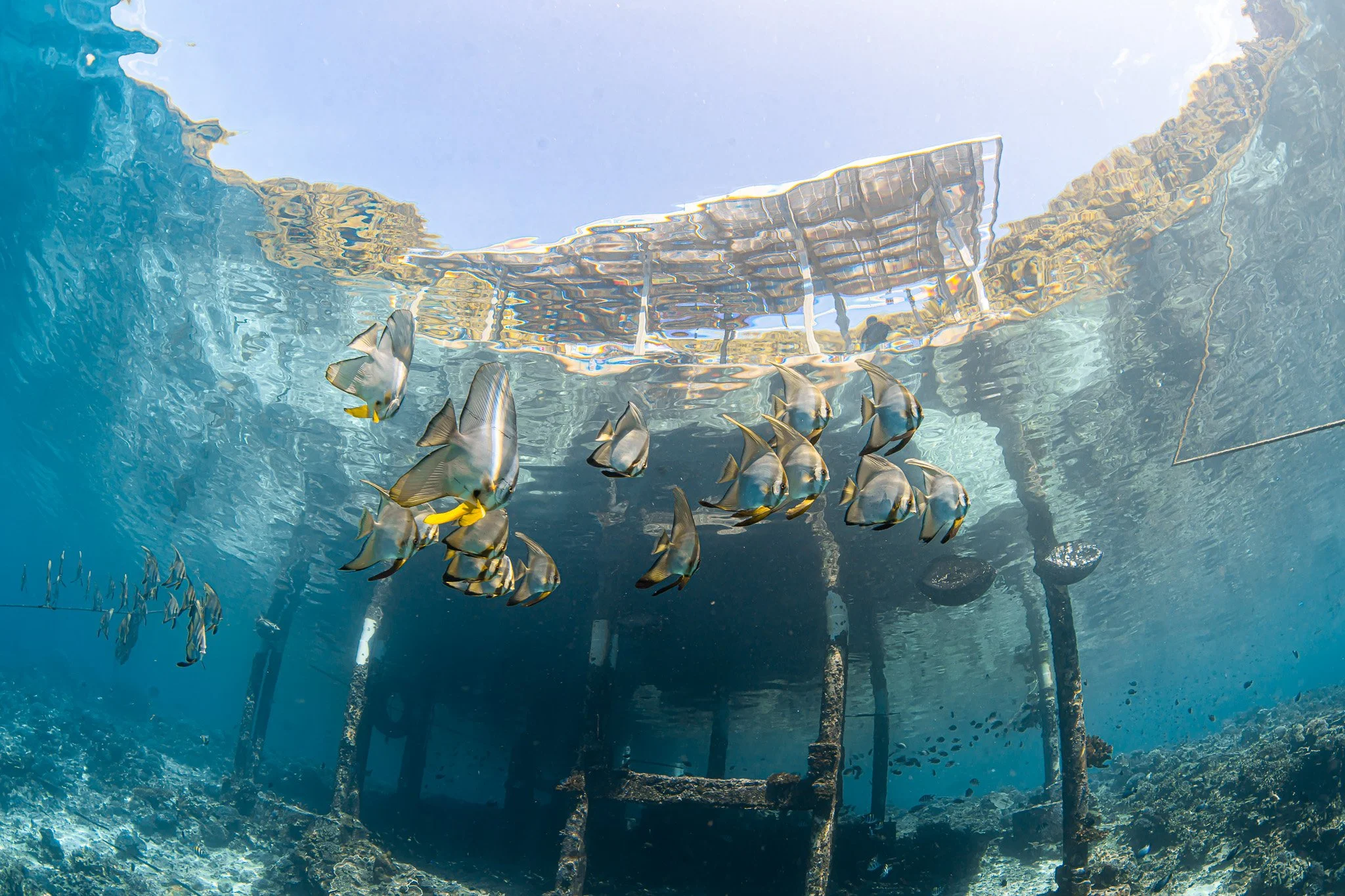
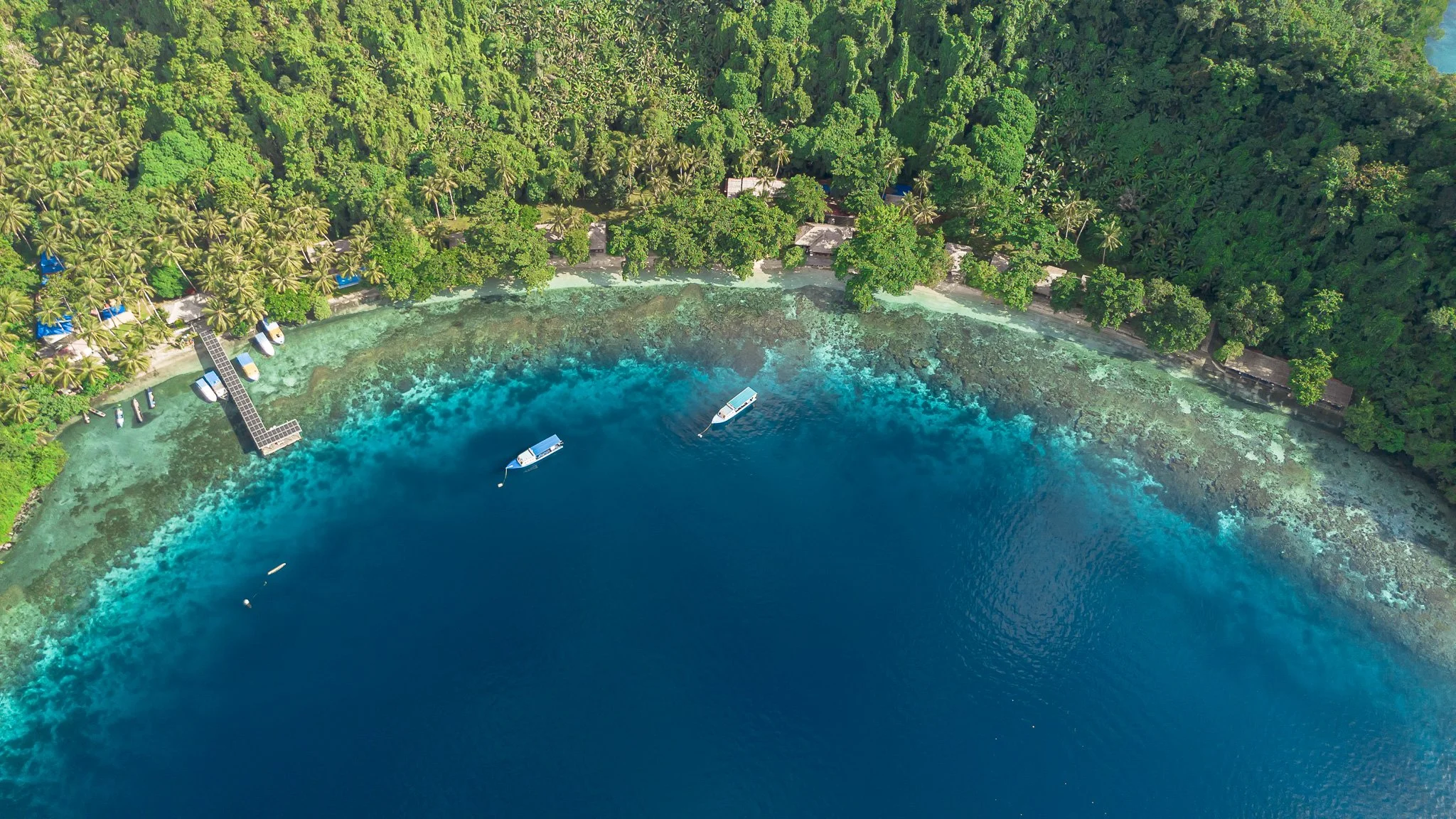
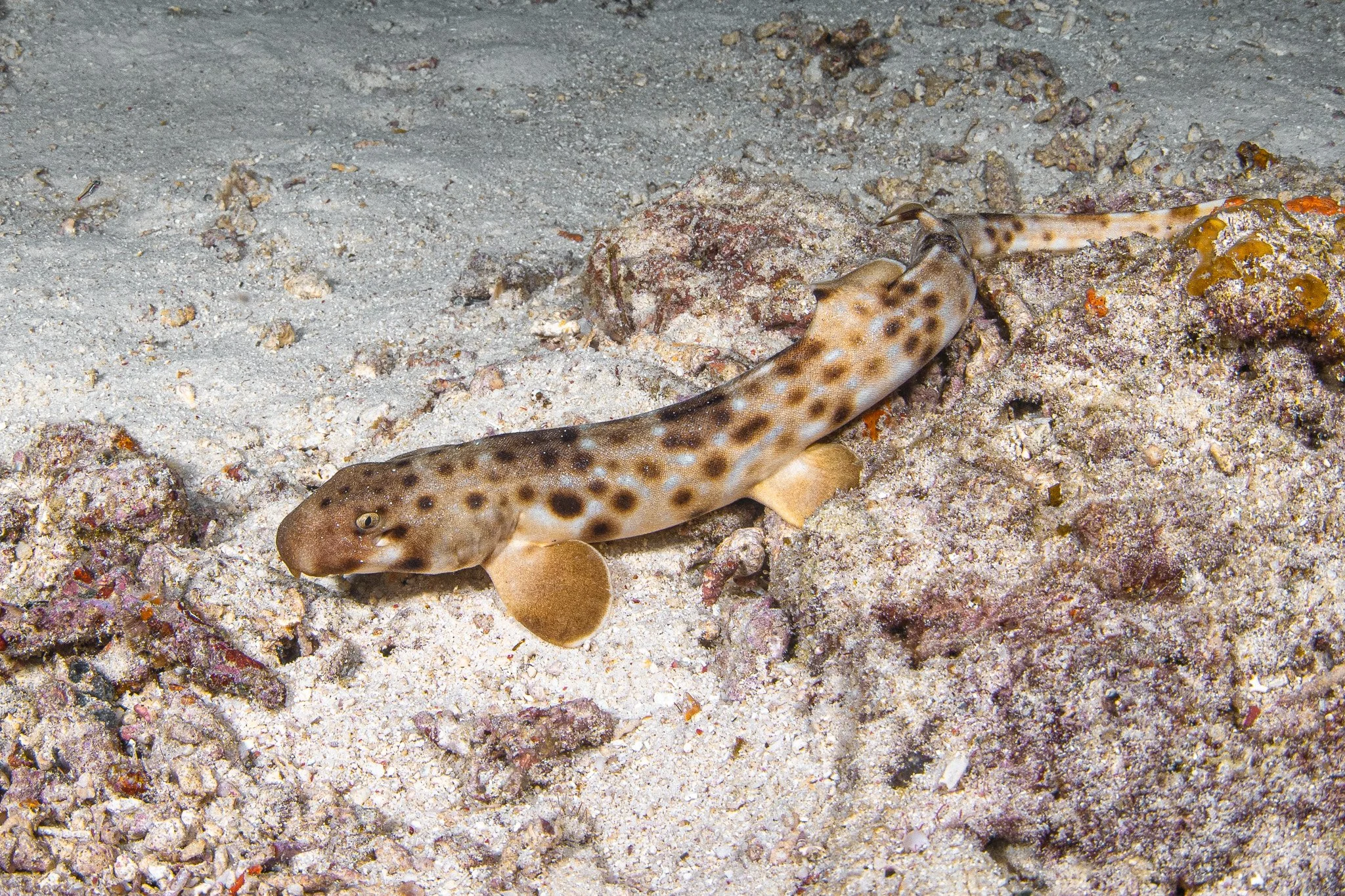
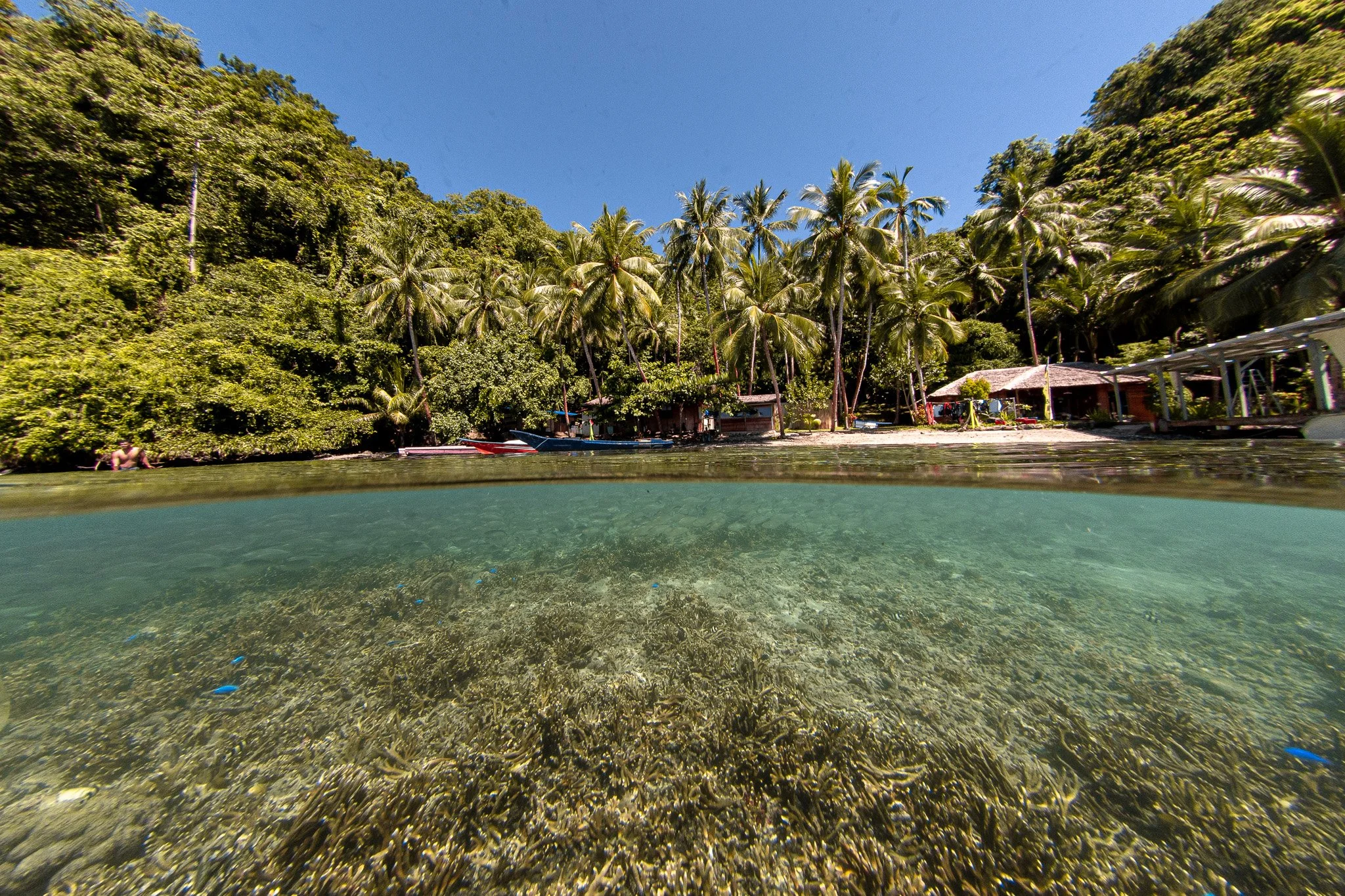
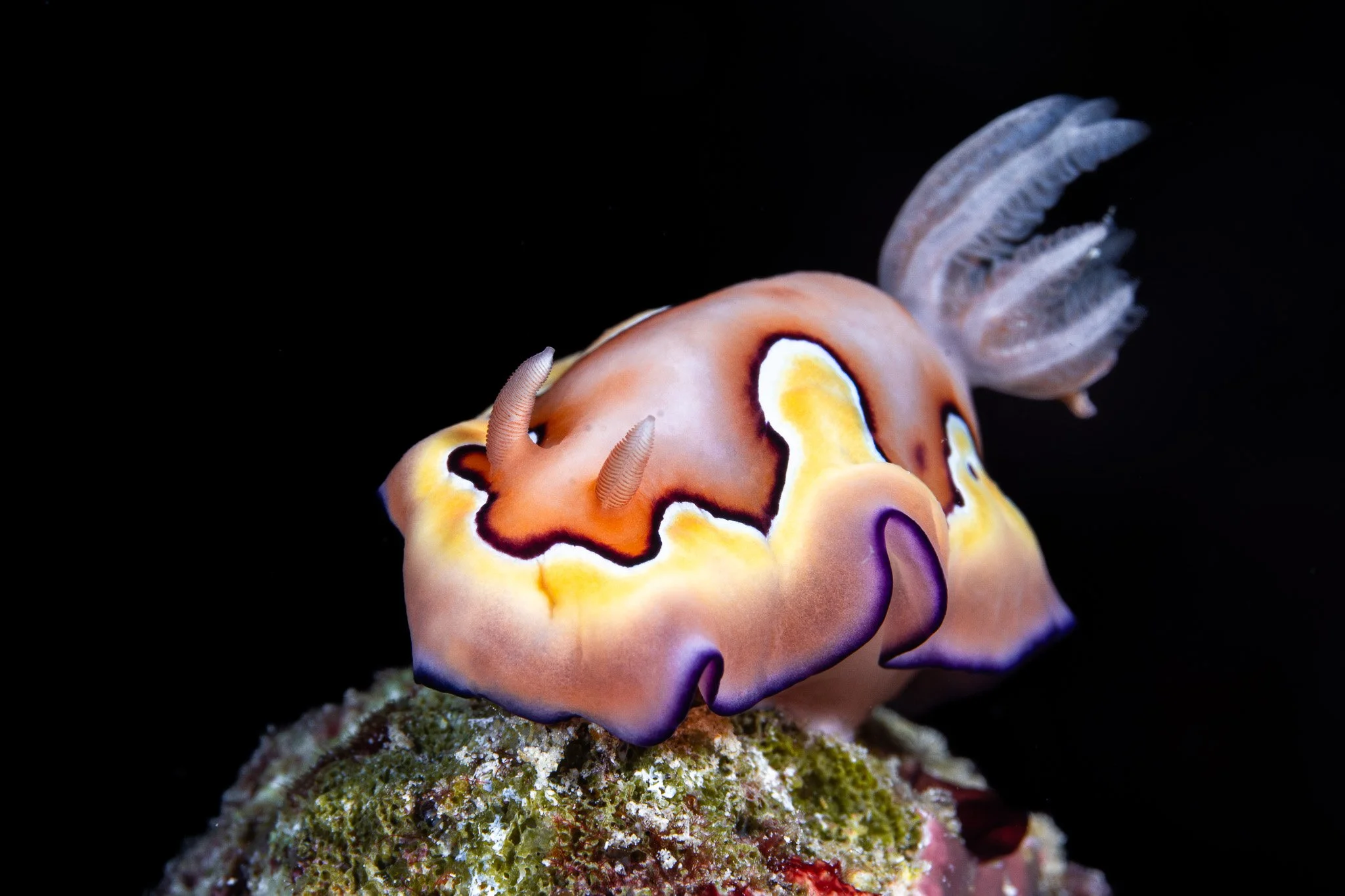
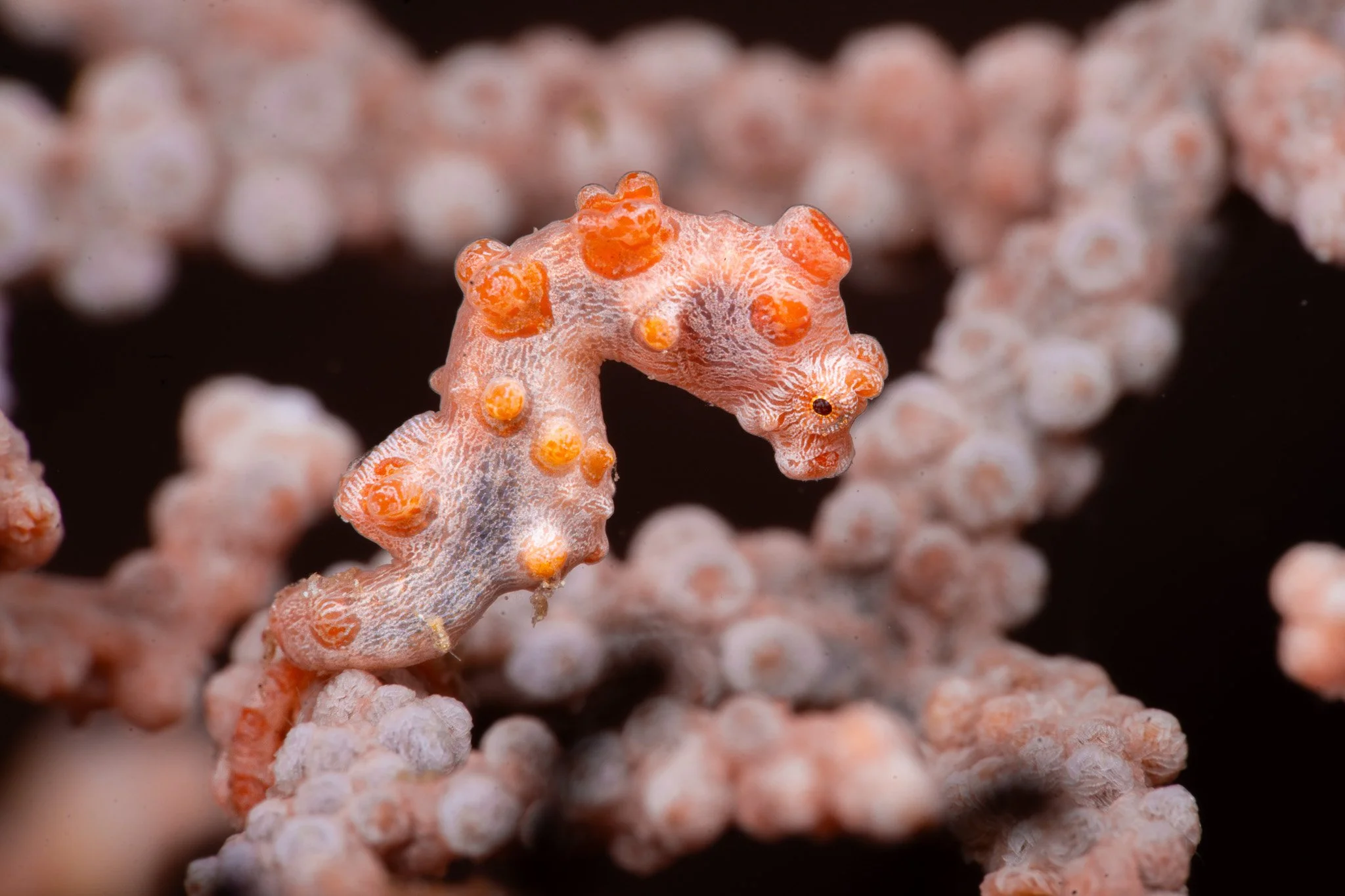
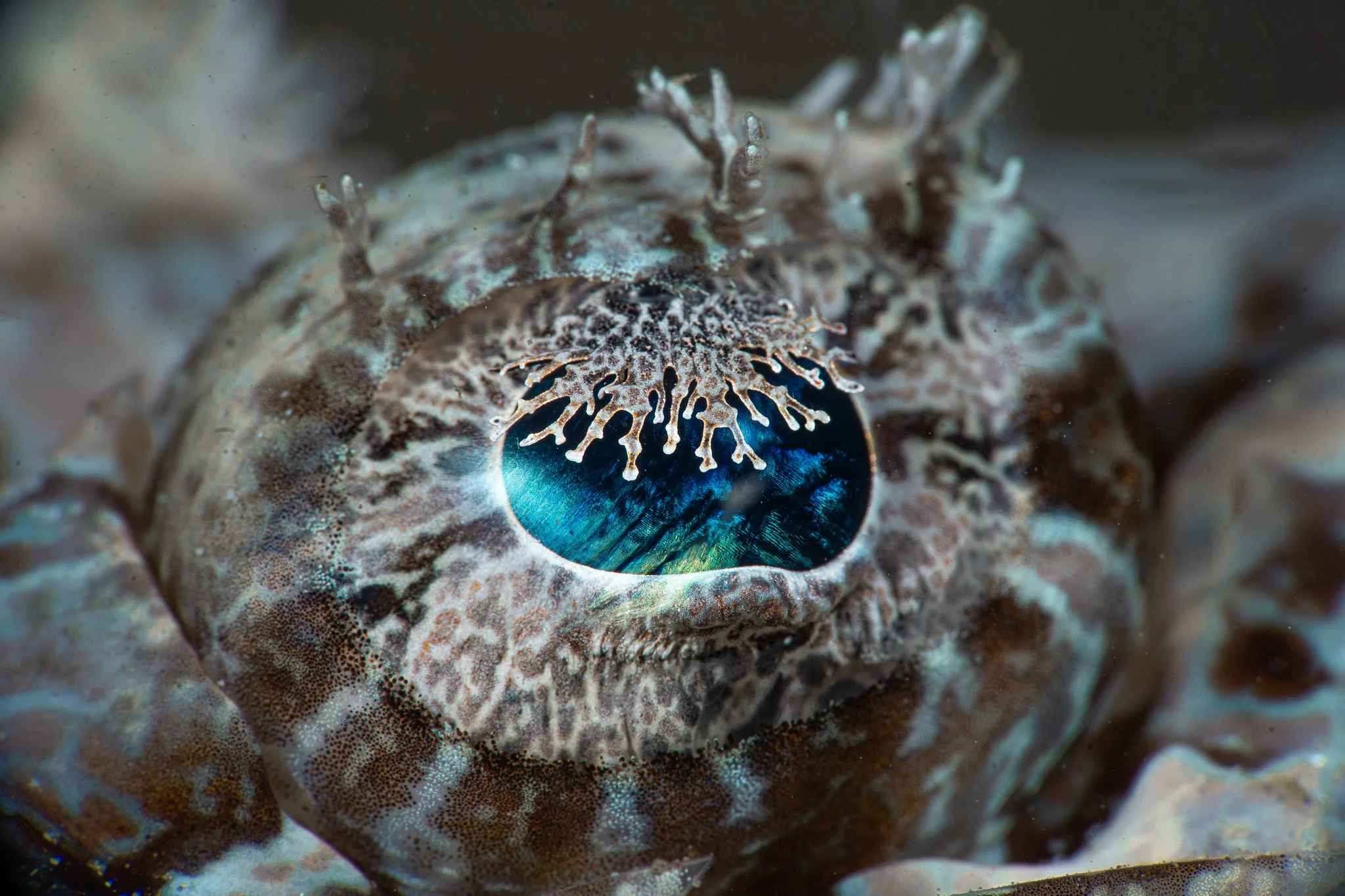
Definetly one of the nicest dive sites we had to chance to dive there, was the House Reef. Just off the resort, this dive site offers a great variety of subjects, from schools of fish cruising and putting on a show of colors and shapes, to very cool macro subjects such as at least 2 species of Pigmy Seahorses and loads of nudibranchs. All this is not counting that this is also one of the easiest spots to see the endemic Halmahera Walking Shark, which we got to chance to see in several occasions.
In the shallows, healthy corals come out of the water during low tide and the corals drops all the way to 20 ish meters, depending where you are on the reef: after that it becomes more of rubble/sandy area, great for more muck/macro dives. On the South-West corner, a stunning coral reefs is home to a great variety of fish: schools of fusiliers, snappers and surgeonfish are all dancing and mixing together, while larger fish such as Bumpheads, Napoleon Wrasses and Blacktip Reef Sharks are cruising through them. If you start paying closer attention to the smaller inhabitants of the reef, you will probably spot some Pontohi Pigmy Seahorse and many species of anthias and blennies, some of them endemic to Halmahera.
Night dives on the House Reef were also brilliant. Decorator and Sponge Crabs were cruising in look for a meal on the reef, while being themselves preyed on by smaller Needle Cuttlefish and larger Broadclub Cuttlefish. Lionfish put on a show every evening while hunting the smaller fish right under the jetty, while the Walking Sharks would be crawling around, trying to blend themselves with the reef. We even got to witness Blacktips hunting at night, spooky but pretty cool.
Overall, if you get to vist Salibay, do NOT miss out on the House Reef, beacuse you would be missing out on on of the most beautiful sites in the area!
To Recap…
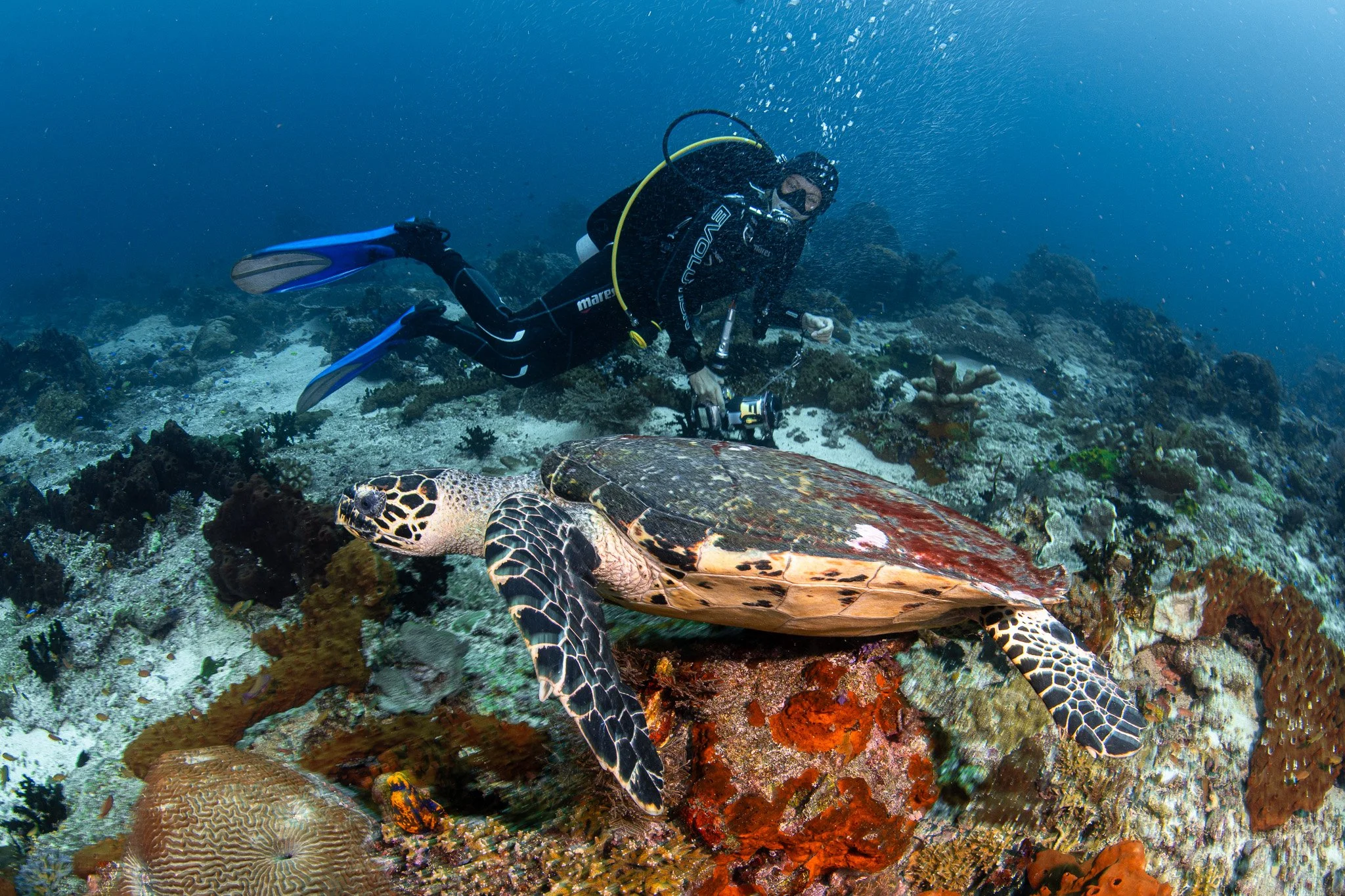
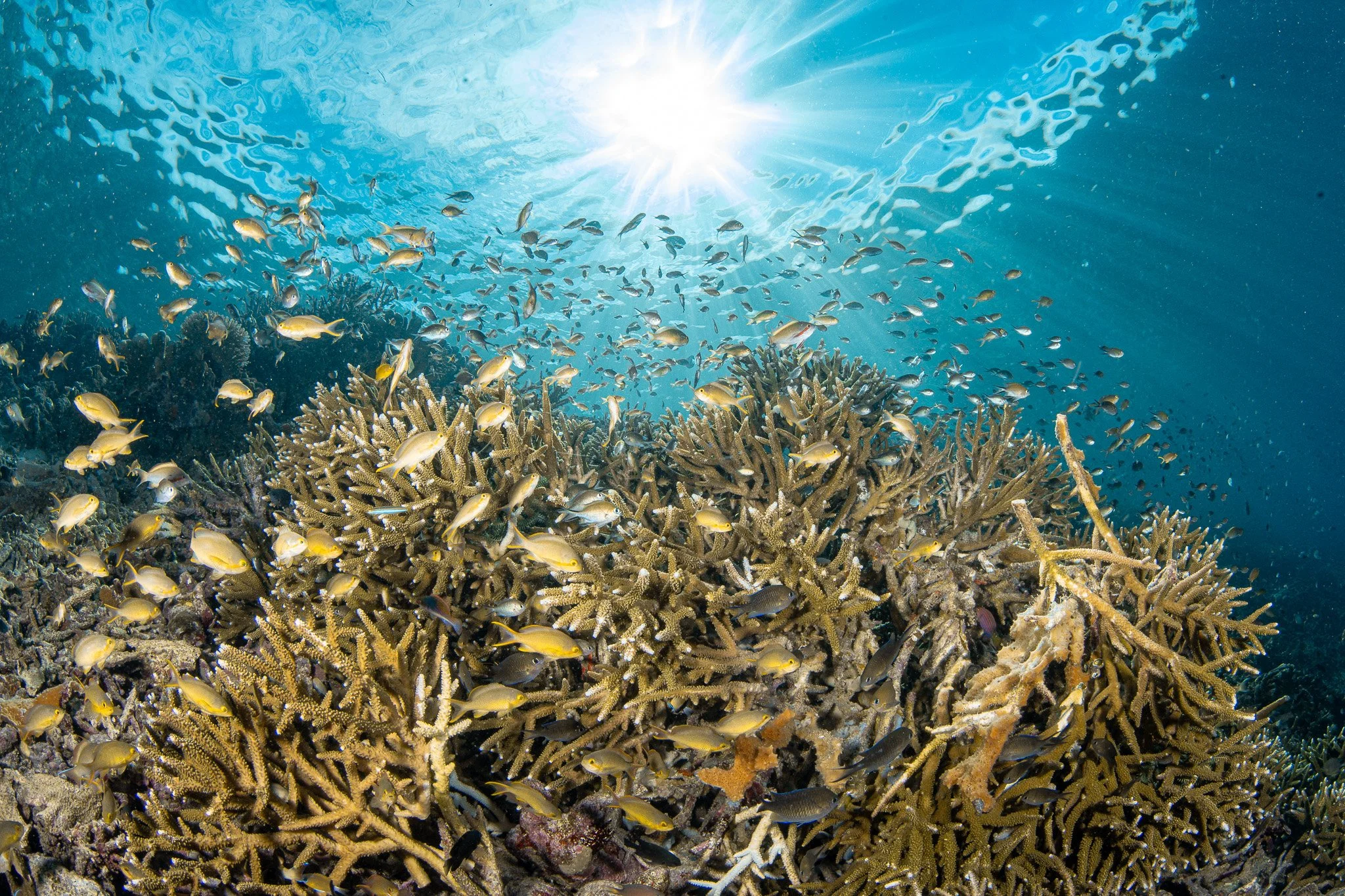
If you are in quest of something exclusive, Halmahera is defintely the place for you. Its remoteness can be a bit deterring, as it is not as easy to access as places like Bali or Komodo, but it is definetly worth the detour: you will be greatly rewarded once you arrive on the spot. If you want to dive a lot, you don’t even need to go on the liveaboard, as the variety of dive sites nearby the Bacan Island is already more than sufficient for a 10 days/2 weeks stay. Liveaboards in the area will allow to cover a wider area, but the locals in the resort defintey know the area better.
I would recommend to bring at least a 3mm wetsuit, maybe with an extra vest as some dives were a little chillier: that is great for the underwater life and the corals, so gear up properly and enjoy the stunning reefs. Regarding cameras, definetly bring a wide angle setup and a macro, it will be worth your time, despite being a bit annoying to bring over.
Dive the House Reef, a couple of times. Go out on night dives, and go looking for the shark! I would recommend shooting it with a 60mm if you want to get close ups, 16-35mm for full body pictures. Look up when you are walking around the resort, and check the trees for the Hornbills!